Curious whether Hudson, NY lives up to the buzz? For many buyers, the answer depends on what kind of everyday life you want. If you are looking for a small city with a strong downtown, a real arts presence, river access, and train service that keeps New York City within reach, Hudson stands out. This guide will help you understand what daily life, housing, and the market feel like so you can decide whether Hudson fits your goals. Let’s dive in.
Hudson lifestyle at a glance
Hudson is a very small city in Columbia County with an estimated 5,721 residents as of July 1, 2025. It covers just 2.16 square miles, which shapes nearly everything about how the city feels day to day. Instead of spreading out, Hudson feels compact, close-knit, and centered around a few highly visible areas.
That compact size is a big part of the appeal. You are not dealing with a large urban footprint, but you still get a city environment with shops, dining, arts, and transportation options. Hudson can feel lively without feeling oversized.
What daily life feels like in Hudson
A lot of Hudson’s identity is concentrated downtown, especially along Warren Street. This is where much of the city’s retail, dining, gallery, and cultural activity is most visible. Businesses like The Spotty Dog Books & Ale, Le Perche, Olde Hudson, and The Maker Lounge help define that street-level experience.
Hudson Hall adds to that energy with year-round programming that includes music, theater, dance, film, visual arts, and educational events. That gives the city an arts-forward feel that is noticeable in everyday life, not just on special occasions. If you enjoy a place with personality and cultural activity built into the downtown core, Hudson offers that in a way many small cities do not.
Walkability in Hudson
If walkability matters to you, Hudson has a strong case. The city is small, and many of its best-known restaurants, shops, galleries, and venues cluster on and around Warren Street. While the research does not cite a formal walkability score, the layout and concentration of amenities clearly support a walkable lifestyle.
In practical terms, that can mean easier errands, spontaneous coffee runs, and a more connected feel to the city itself. You may still want a car depending on your routine, but Hudson’s downtown setup supports a lifestyle where being on foot is part of the appeal.
Riverfront access adds to the feel
Hudson is not just near the river in a vague sense. It has a real riverfront element that shapes the experience of living there. City planning materials describe Henry Hudson Riverfront Park as being close to the train station and as a place for picnics, short walks, fishing, and boating.
That matters because it adds another layer to everyday life. Hudson feels more like a small walkable river city than a town where the waterfront is disconnected from the main experience. If you like the idea of downtown energy paired with river access, this is one of Hudson’s most appealing traits.
Hudson for commuters and remote workers
Transportation is a major part of Hudson’s story. Hudson sits on Amtrak’s Empire Service corridor, with service connecting to New York Penn/Moynihan as well as other upstate stops. The station itself has a long history, and Amtrak reported 245,600 riders at Hudson in FY23.
That rail access can make Hudson especially appealing if you want periodic access to New York City without living there full time. It also supports a hybrid lifestyle for buyers who split time between Hudson and other places. On the remote work side, 88.3% of households have broadband internet, which helps support work-from-home needs.
Who tends to move to Hudson
Hudson appears to attract a mix of local and incoming buyers. Redfin’s migration snapshot for Oct. 2025 to Dec. 2025 showed that 68% of Hudson homebuyers searched to stay within the Hudson metro area, while 32% looked to move out. Among inbound searchers, New York City was the top origin by a wide margin.
Other inbound origins included Syracuse, Buffalo, Washington, DC, Boston, San Francisco, Philadelphia, Portland, Los Angeles, and Hartford. That pattern suggests Hudson appeals to a broad group, including local movers, regional buyers, and people coming from larger metros. If you are relocating and want a place with character, access, and a recognizable lifestyle identity, you are not alone in looking here.
What homes in Hudson are like
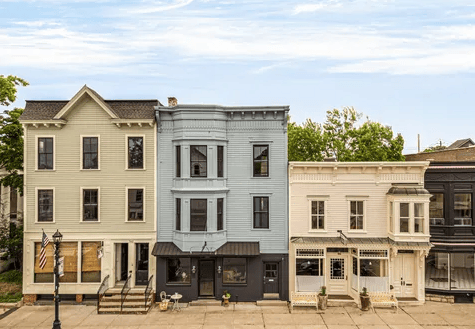
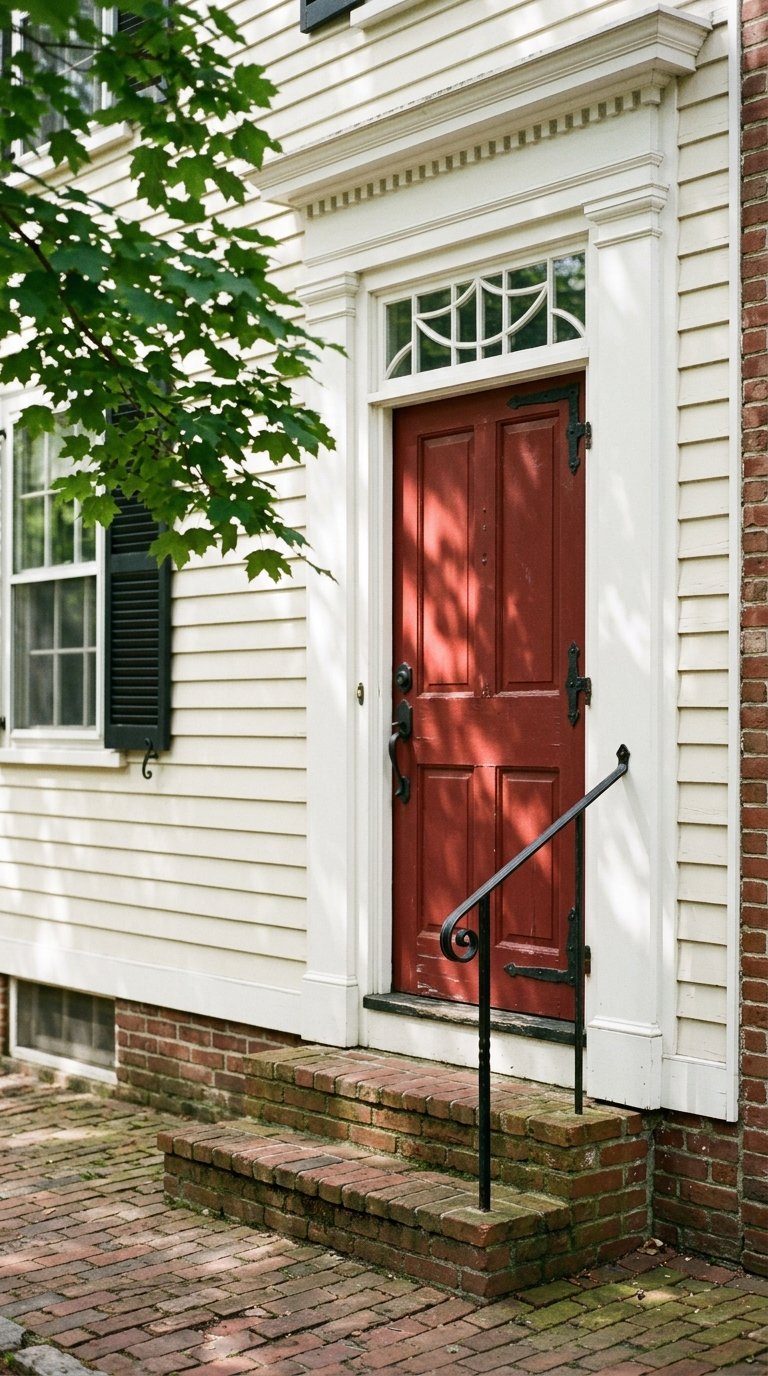
Hudson’s housing stock is one of the city’s defining features. Much of it is tied to the historic core, so buyers often encounter Federal-era homes, townhouse-style properties, brick mixed-use buildings, live/work spaces, and other character-rich options. This is not a cookie-cutter market.
That variety creates opportunity, but it also means you need to compare properties carefully. Two homes at similar sizes can feel very different in value depending on location, condition, historic character, and whether the property has mixed-use or unique layout features.
Expect a wide price range
Hudson is not a single-price market. Recent examples in the research ranged from lower-priced two-bedroom sales at $111,500 and $275,000 to high-end Warren Street listings at $1.725 million and $3.885 million. There was also a mixed-use Warren Street property listed at $895,000.
The key takeaway is simple: entry-level transactions do still exist, but much of the city’s central and character-rich housing sits in the mid-six figures, and premium properties can reach seven figures. If you are house hunting in Hudson, it helps to set expectations early and define what matters most to you.
What the Hudson housing market looks like
Current market snapshots show a market with meaningful price strength and some volatility. Realtor.com reported 129 homes for sale, a median listing price of $662,250, a median 92 days on market, and a 98% sale-to-list ratio. Zillow showed a median list price of $525,000 and 65 homes for sale.
Redfin’s March 2026 snapshot came in higher, with a median sale price of $802,500, 130 median days on market, and just 8 homes sold that month. Because that sale median is based on a very small number of closings, it should be read with caution. In a small market like Hudson, monthly numbers can swing sharply.
What that means for buyers
For buyers, Hudson often rewards patience and clarity. Inventory exists, but the most distinctive homes can be priced at a premium because of location, style, or flexibility of use. If you are drawn to the historic core, you may need to move quickly when the right property appears.
At the same time, Hudson is not just one type of purchase. Depending on your goals, you may find anything from a simpler lower-cost option to a signature historic property. The market works best when you know whether you are prioritizing charm, budget, location, or long-term value.
Hudson compared with Catskill and Albany
Hudson often gets compared with Catskill and Albany, but each place offers a different experience. Hudson is the most style-driven and expensive of the three based on the research. It combines a small footprint, historic housing, riverfront access, and a downtown cultural scene that gives it a very specific identity.
Catskill reads as the more affordable river-town alternative. Realtor.com showed a median listing price around $499,894, while Redfin reported a median sale price of $288,000. If your priority is a lower-cost river-town option, Catskill may be worth comparing closely.
Albany is a different type of market altogether. It is much larger, more urban in function, and offers a broader housing supply. Realtor.com listed Albany’s median home price at $295,000 with 456 active listings and 36 days on market, which points to a more conventional city market with more options and faster movement.
Is Hudson right for you?
Hudson may be a strong fit if you want a compact city with visible character and a lifestyle that extends beyond the house itself. Its arts presence, concentrated downtown, riverfront access, and train service make it feel distinct in the region. It can be especially appealing if you value historic housing, walkability, and a place that feels both local and connected.
It may be less ideal if your top priority is maximizing square footage at the lowest possible price. Compared with Catskill and Albany, Hudson generally commands a premium. That premium is tied to its location, housing stock, and lifestyle appeal.
If you are considering a move to Hudson, the best next step is to match your budget and lifestyle goals to the part of the market that fits you best. Whether you are relocating, buying your first place in the area, or searching for a character-rich second home, a local strategy can make the process much clearer. If you want help making sense of Hudson and the wider Capital Region market, connect with Team Taylor.
FAQs
Is Hudson, NY walkable for daily life?
- Yes. Hudson’s downtown core is compact, and many restaurants, shops, galleries, and cultural venues are clustered on and around Warren Street.
Is Hudson, NY good for commuting to New York City?
- Hudson has direct Amtrak Empire Service access to New York Penn/Moynihan, which makes it a practical option for buyers who want periodic city access.
What types of homes are common in Hudson, NY?
- Buyers often find historic and character-rich properties such as Federal-era homes, townhouse-style residences, mixed-use buildings, live/work spaces, and smaller units.
Is Hudson, NY more expensive than Catskill or Albany?
- Yes. Based on current listing and market data in the research, Hudson is generally more expensive than both Catskill and Albany.
What is the Hudson, NY housing market like right now?
- Current snapshots show a relatively high-priced small market with inventory available, median listing prices in the mid-six figures, and monthly sale data that can be volatile because of low transaction volume.
Who is moving to Hudson, NY?
- Research suggests Hudson attracts a mix of local movers and inbound buyers, with New York City standing out as the top origin among inbound searchers in Redfin’s migration snapshot.