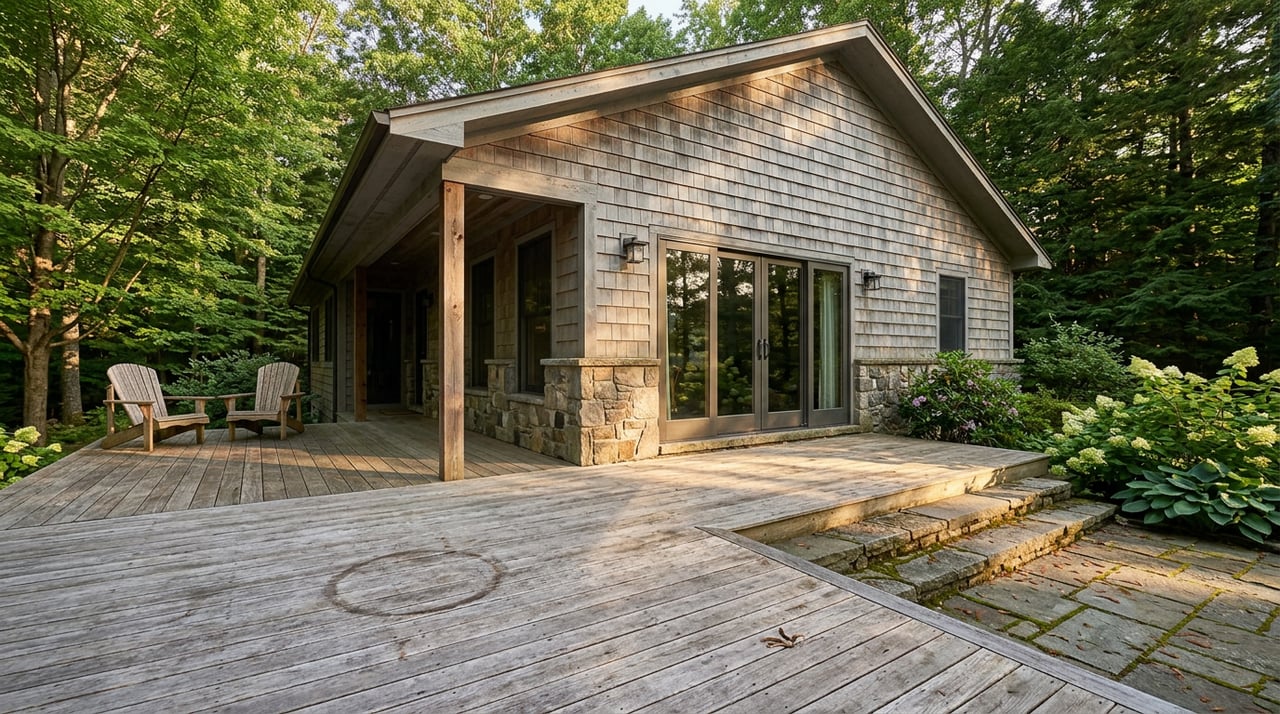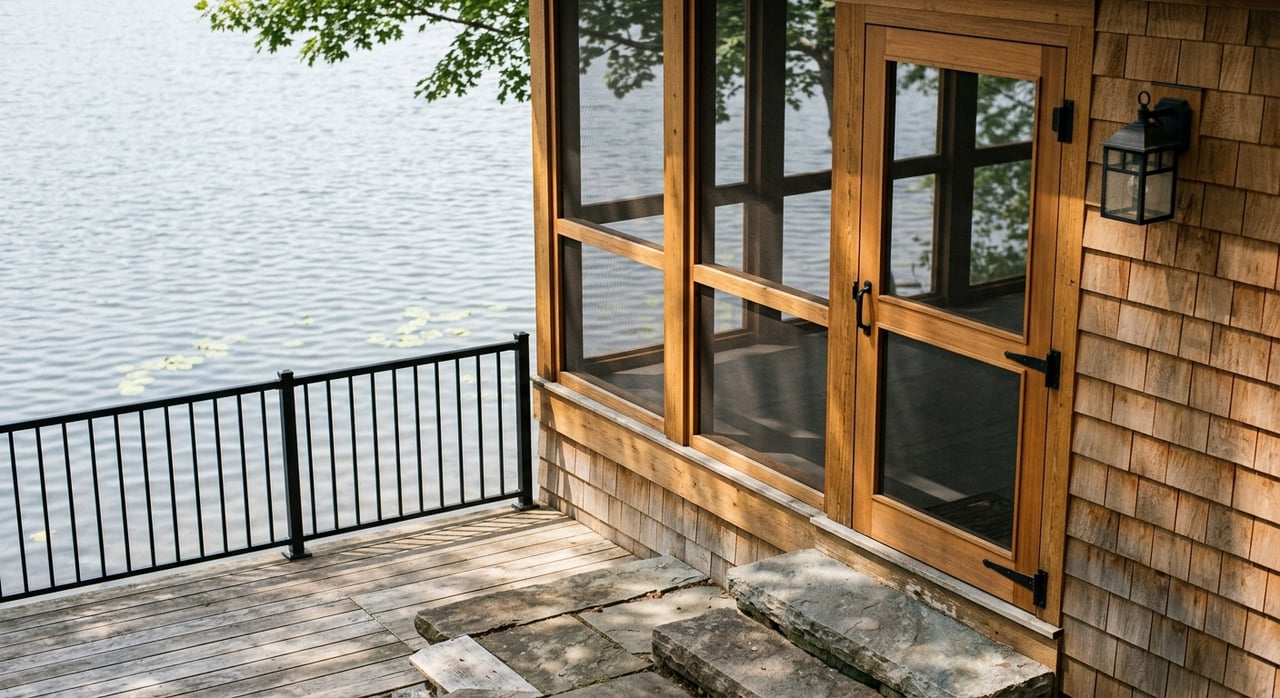
Dreaming about mornings by the water and weekends that actually feel like a getaway? Buying a vacation home at Lake George can be exciting, but it also comes with a different set of questions than buying a primary residence. If you want to understand pricing, property types, rental rules, and what to watch for before you make an offer, this guide will help you sort through the big decisions with more confidence. Let’s dive in.
Why Lake George Stands Out
Lake George has a strong vacation-home identity, and the numbers back that up. Warren County GIS shows 2,647 total housing units in Lake George, with 1,140 classified as vacant or seasonal, which is 43.1% of the housing stock. That means you are shopping in a market where second homes and seasonal use are a major part of the local landscape.
You can also see that seasonal appeal in current pricing. While county GIS data shows a median home value of $344,800, current listing-based medians are notably higher, with Zillow showing a median list price of $687,833 and Realtor.com showing $719,000 in early 2026. In simple terms, live market pricing reflects the premium buyers often pay for resort-oriented homes.
Realtor.com also described Lake George as a buyer’s market in January 2026, with 77 properties for sale. For you as a buyer, that can mean more room to compare options and look closely at value before making a decision.
What Types of Vacation Homes You’ll Find
Lake George offers a broad mix of vacation-home options. Based on New York tax guidance and current local inventory, you are likely to see houses, condos, cabins, cottages, bungalows, and in some cases properties with flexible room configurations. That variety is part of what makes the market appealing to different budgets and lifestyles.
Single-family detached homes make up a large part of the housing stock, with Warren County GIS identifying 2,010 single-family detached homes in Lake George. If you want privacy, outdoor space, or a more classic second-home feel, single-family properties will likely be a major part of your search.
Condos can offer a lower entry point. Current condo listings range from about $105,000 to $1.849 million, with several options under $500,000. If you want a lower-maintenance getaway or an easier entry into the Lake George market, condos may be worth a close look.
Off-water single-family homes can also be more accessible than buyers expect. Current listings under $500,000 include examples around $199,900, $310,000, $325,000, $385,000, and $454,000. That tells you there may still be opportunities in the low-to-mid six figures if direct waterfront is not your top priority.
Waterfront vs Off-Water Homes
This is one of the biggest decisions you will make. Waterfront properties offer direct access and a very specific lifestyle, but they also come with higher prices and more property-specific due diligence. Off-water homes can be more affordable while still giving you access to the Lake George experience.
True waterfront inventory is in a different price category. Current active listings include examples around $599,000, $1.075 million, $1.45 million, $3.995 million, $4.25 million, and more than $6 million. If lake frontage is non-negotiable, you should plan for a much higher budget.
With off-water homes, it helps to read the details carefully. Some properties may offer lake views, association beach access, or proximity to the village, while others may simply offer the broader lake lifestyle without deeded access. For your search, the key question is not just whether a home is near the water, but what legal access or amenities actually come with it.
What makes waterfront due diligence different
On shoreline and near-shore properties, the land matters as much as the house. The Village of Lake George defines a shoreline lot as a deeded lot within the Adirondack Park Agency’s 50-foot shoreline setback area. The Adirondack Park Agency also says certain shoreline development and vegetation removal activities may require a permit.
That means you should verify several details early if you are considering a waterfront or near-shore purchase:
- Lot lines and survey information
- Dock rights and existing approvals
- Shoreline work history
- Rules for future improvements
- Whether planned work could trigger agency review
Flood-zone review also matters. FEMA states that flood insurance is required for most loans on properties in a Special Flood Hazard Area, and lenders use FEMA flood maps to determine that requirement. For lakefront or low-lying properties, that should be a standard part of your due diligence.
What Lake George Pricing Really Means
Lake George pricing can feel broad at first glance, because it is. The market includes entry-level condos, modest cottages, off-water homes, and high-end waterfront estates. That makes it important to define your version of a vacation home before you start touring properties.
For many buyers, the practical takeaway is this: off-water and condo options can start in the low-to-mid six figures, while true waterfront often moves into seven figures fast. Knowing that difference upfront can save you time and help you build a more realistic search plan.
Price per square foot can add context too. Realtor.com reported a median price per square foot of $413 in January 2026. While that number should not replace a property-by-property analysis, it can help you compare homes when location, access, and condition vary widely.
Seasonal Use vs Year-Round Use
Not every vacation home works the same way from a financing standpoint. A place that feels perfect for summer weekends may not fit standard second-home loan guidelines if it is not suitable for year-round occupancy. That is a major detail to clarify before you fall in love with a seasonal property.
Fannie Mae says a second home must be occupied by the borrower for some portion of the year, suitable for year-round occupancy, restricted to one unit, under the borrower’s exclusive control, and not be a rental property or timeshare. Fannie also notes that rental income can still exist without disqualifying second-home status, as long as that income is not used for qualifying and the other second-home rules are met.
For you, that means a fully seasonal camp may be appealing as a getaway, but you should not assume it will fit standard second-home underwriting. If you are looking at cabins, cottages, or properties with limited winter utility, ask questions early about year-round suitability.
Short-Term Rental Rules Matter
If part of your plan is to offset costs by renting the home when you are not using it, local rules need your attention right away. In Lake George, short-term rental requirements can change depending on whether the property is in the town or the village. That jurisdiction difference can materially affect what you can do.
In the Town of Lake George, using a dwelling for 30 days or less requires a residential rental permit. The permit is annual, renewal is due by June 1, and late renewals are doubled. Town code also requires adequate parking, garbage facilities, occupancy compliance, septic capacity, and a local emergency contact, plus a Warren County property-maintenance and fire inspection to determine occupancy limits.
The town also states that some zoning districts prohibit short-term residential rentals entirely. It further notes that grandfathered status can be lost if ownership or deed structure changes. If you are buying with rental plans in mind, this is something to verify before you make an offer, not after closing.
In the Village of Lake George, the framework is different. The village defines a short-term residential rental as use or occupancy of a dwelling, or part of it, for less than six consecutive months. The village also requires a license for short-term residential rentals, and its fee schedule lists that license fee at $150.
By comparison, the Town of Lake George fee schedule lists the short-term residential rental permit or renewal at $100. These local fees are separate from taxes and other compliance requirements.
Taxes and registration for vacation rentals
If you operate a short-term rental in Warren County, there is more to handle than just a local permit or license. Warren County says short-term rental owners must collect a 4% occupancy tax, register with the Treasurer’s Office, and remit that tax. The county also notes that this process is separate from town rental registration.
New York State separately requires operators and booking services to collect applicable state and local sales tax on short-term rental occupancy. If your long-term goal includes hosting guests, you should factor these taxes and filing obligations into your ownership costs and planning.
Financing Differences for a Vacation Home
Buying a second home usually does not work exactly like buying your primary residence. Loan pricing, qualification standards, and cash-to-close expectations can all look different. That catches some buyers off guard, especially if they are focused mainly on down payment.
Fannie Mae’s second-home rules require a one-unit property that is suitable for year-round occupancy, occupied by you for some portion of the year, and not treated as a rental property or timeshare. Fannie also says certain second-home loans receive a loan-level price adjustment, which means pricing may differ from a primary-residence mortgage even before you compare interest rates.
Reserves are another important factor. Fannie Mae says Desktop Underwriter generally requires two months of reserves for a second-home transaction, while there is no minimum reserve requirement for a one-unit principal residence transaction. If you already own multiple financed properties, additional reserves may also apply.
For many Lake George buyers, this becomes a key planning issue. Your total cash needed may be shaped as much by reserve requirements and pricing adjustments as by the down payment itself.
A Smart Buying Checklist
Before you buy a vacation home at Lake George, keep these priorities in focus:
- Define whether you want waterfront, deeded access, shared access, or simply proximity to the lake
- Set a budget that reflects second-home financing and reserve requirements
- Confirm whether the home is suitable for year-round occupancy
- Verify whether the property is in the Town or Village of Lake George
- Review local short-term rental rules before planning any guest use
- Check flood-zone status on waterfront or low-lying properties
- Confirm lot lines, dock rights, and shoreline restrictions for near-water properties
- Estimate ongoing costs, including taxes, insurance, permits, and maintenance
A good vacation-home purchase is not just about finding a beautiful place. It is about matching the property to how you actually plan to use it, finance it, and maintain it over time.
If you are thinking about buying a vacation home at Lake George, the right guidance can help you compare options clearly and avoid expensive surprises. The team at Team Taylor can help you evaluate properties, understand the local market, and move forward with a strategy that fits your goals.
FAQs
What is the typical price range for a vacation home in Lake George?
- Lake George vacation homes range widely, with condos starting around $105,000, some off-water single-family homes under $500,000, and waterfront homes often starting much higher and moving well into the seven figures.
What should buyers know about waterfront homes in Lake George?
- Waterfront buyers should verify lot lines, dock rights, shoreline work history, flood-zone status, and whether future improvements may require review by the Adirondack Park Agency.
Can you use a Lake George vacation home as a short-term rental?
- You may be able to, but the rules depend on whether the property is in the Town or Village of Lake George, and some areas have permit, license, zoning, inspection, and occupancy requirements that should be confirmed early.
What are the short-term rental fees in Lake George?
- The Town of Lake George lists a short-term residential rental permit or renewal fee of $100, while the Village of Lake George lists a short-term residential rental license fee of $150.
Are financing rules different when buying a second home in Lake George?
- Yes. Fannie Mae says second homes must meet specific occupancy and property standards, and second-home loans may include different pricing adjustments and reserve requirements than a primary residence.
What taxes apply if you rent out a vacation home in Warren County?
- Warren County says short-term rental owners must collect a 4% occupancy tax and register with the Treasurer’s Office, and New York State separately requires applicable state and local sales tax collection on short-term rental occupancy.