🏡 How to Think About Pricing When Your Neighbor’s House Just Sold
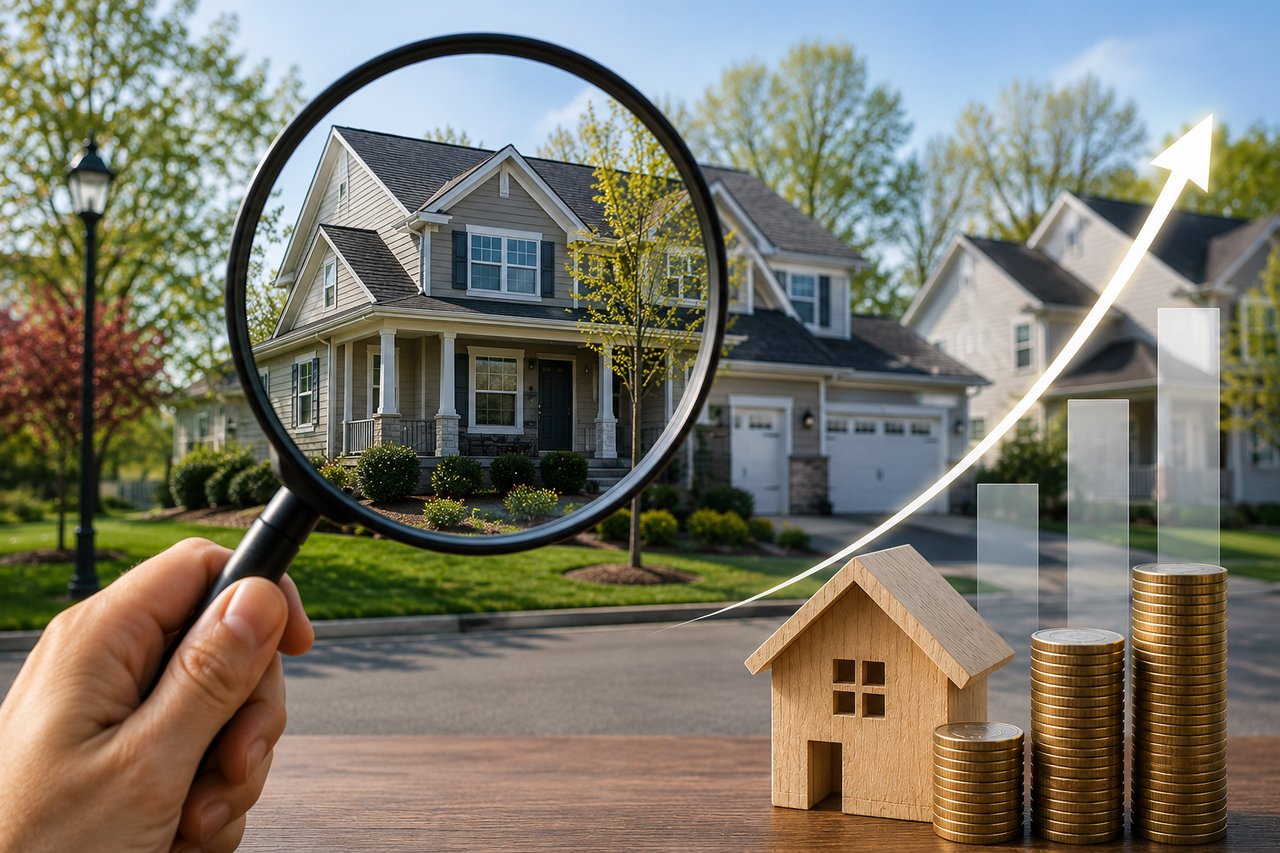
When a home sells in your neighborhood, it’s only natural to wonder what that means for your own property. 🤔
Maybe the house down the street sold in just a few days. 🚀 Maybe it sold for more than you expected. 💰 Maybe it sparked conversations throughout the neighborhood. Whatever the case, it’s easy to start asking:
“If their home sold for that much, what is mine worth?”
A recent sale can provide valuable insight into your local market, but it’s important to remember that one sale alone doesn’t determine your home’s value.

🏘️ Your Neighbor’s Sale Is Helpful—But It’s Only One Piece of the Puzzle
Recent neighborhood sales are an important part of pricing a home. In fact, real estate professionals use comparable sales (or "comps") as one of the primary tools for determining value.
However, no two homes are exactly alike.
Even homes located on the same street can differ significantly in:
✅ Square footage
✅ Floor plan and layout
✅ Lot size
✅ Garage space
✅ Finished basement area
✅ Updates and renovations
✅ Roof, HVAC, and other major systems
✅ Overall condition and curb appeal
Timing matters too. ⏰
A home that sold a few months ago may have entered the market under very different conditions than a home listed today. Interest rates, inventory levels, buyer demand, and seasonal trends can all impact value.
📌 The takeaway: Your neighbor’s sale is a useful reference point—not an exact blueprint for pricing your home.
💵 List Price and Sale Price Are Two Different Things
One of the most common mistakes homeowners make is focusing only on the list price.
The list price is simply the seller’s asking price.
The sale price is what a buyer actually agreed to pay.
Those numbers can be very different.
🏡 Some homes are intentionally priced low to attract multiple offers.
🏡 Others start high and require price reductions before selling.
🏡 Some sell above asking price, while others sell below.
The number that matters most is the final closed sale price—not just what appeared online when the home first hit the market.
It's also important to understand the details behind the transaction. A higher sale price may have included seller concessions, repair credits, financing considerations, or other terms that aren't obvious from the outside.
🔍 That's why looking at the complete picture is so important.
🔨 Condition Can Have a Huge Impact on Value
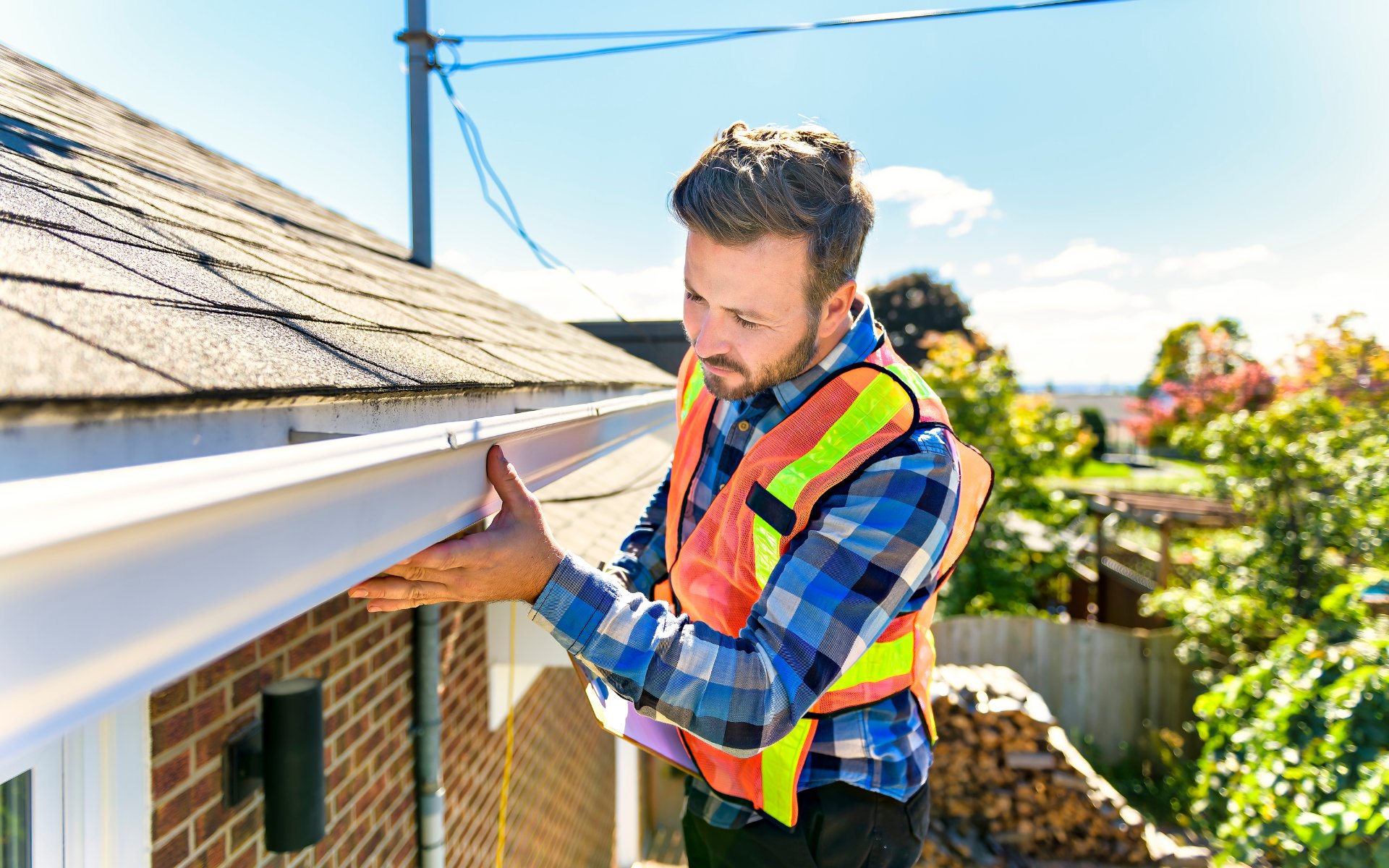
Condition is one of the biggest factors influencing what buyers are willing to pay.
If your neighbor's home featured:
✨ A newer roof
✨ Updated kitchen
✨ Renovated bathrooms
✨ Modern flooring
✨ Updated mechanical systems
✨ Strong curb appeal
buyers may have seen added value and offered accordingly.
On the other hand, your home may offer advantages that theirs didn't.
Perhaps you have:
🌳 A larger yard
🚗 More garage space
🏠 A better layout
📦 More storage
📍 A preferred location within the neighborhood
🔧 Improvements that aren't immediately visible
Every property has its own strengths and weaknesses.
That's why effective pricing looks at the details—not just the address.
🏠 Buyers Compare Homes, Not Just Neighborhoods
When buyers are searching, they're rarely comparing just one home.
They're often looking at multiple properties across different neighborhoods, school districts, and towns.
A buyer considering your home may also be comparing homes in:
📍 Albany
📍 Schenectady
📍 Troy
📍 Clifton Park
📍 Latham
📍 Amsterdam
📍 Saratoga Springs
and other areas throughout the Capital Region.
Because of that, pricing should reflect not only recent sales but also current competition.
If inventory is low and similar homes are scarce, your position may be stronger. 💪
If buyers have many comparable options available, pricing becomes even more important.
📊 Recent sales establish value.
🏡 Current listings influence strategy.
You need both pieces of information.
⚠️ Overpricing Can Cost You Momentum
After seeing a strong neighborhood sale, some homeowners are tempted to add extra dollars to their own expected value.
After all, everyone wants to maximize their return. 💰
The problem is that overpricing can hurt a listing before it ever gains traction.
The first few weeks on the market are often the most important.
During that time:
👀 Buyers are paying attention
📲 Agents are sharing new listings
🔍 Online searches are generating the most visibility
If the price feels too high, buyers may skip the property altogether.
And when a home sits on the market too long, buyers often begin asking:
❓ "What's wrong with it?"
That can lead to reduced interest and eventual price reductions.
The goal isn't to underprice your home.
🎯 The goal is to price strategically so you attract attention, generate activity, and position yourself for the strongest possible outcome.
💻 Online Estimates Don't Tell the Whole Story
After a nearby sale, many homeowners immediately check online home value estimators.
That's understandable—they're quick and convenient.
But automated estimates often miss the details that matter most.
They usually don't know:
🏠 The condition of your home
🔨 Recent renovations
🌳 Landscaping improvements
🚗 Garage upgrades
🛋️ Layout advantages
📦 Basement functionality
🌅 Views or location-specific benefits
They also can't always account for subtle neighborhood trends and local buyer behavior.
Real estate is local.
And local knowledge often reveals things that algorithms simply cannot.

📈 A Market Analysis Provides a More Accurate Picture
If you're wondering what your neighbor's sale means for your home, the best next step is a professional market analysis.
A thorough market analysis looks at:
📊 Recent comparable sales
🏡 Active competition
📍 Location
🔨 Condition and updates
📈 Current market trends
💰 Buyer demand
Most importantly, it helps answer the question homeowners really want to know:
"What could my home realistically sell for in today's market?"
The good news?
You don't need to be planning a move to find out.
Many homeowners request market analyses simply to stay informed, evaluate future options, plan renovations, review refinancing opportunities, or better understand their overall financial picture.
🔑 The Bottom Line
When your neighbor's house sells, it can provide valuable insight into the market. 🏡✨
But one sale alone doesn't determine your home's value.
Factors like condition, updates, layout, location, buyer demand, current competition, and market trends all play important roles.
If a recent neighborhood sale has you wondering what your home may be worth, Team Taylor can help you look beyond the headlines and understand the full picture. 📊🏠
Whether you're thinking about selling soon or simply want to stay informed, knowing your home's value is always a smart move. 💙
📱 Stay Connected
Thinking about selling or just want your home to show at its best? We’ve got you covered.
📺 YouTube: @teamtayloratkellerwilliams5814
📘 Facebook: Robert L. Taylor Realtor
📸 Instagram: @robsoldmyhouse