Choosing between a historic home and a newer build in Troy can feel like picking between character and convenience. You may love the idea of original brick, tall ceilings, and ornate details, but you may also want lower maintenance, better energy efficiency, and a layout that fits how you live today. The good news is that Troy gives you all three paths, historic, newly built, and thoughtfully rehabbed homes, and each can be a smart choice depending on your goals. Let’s dive in.
Why this choice matters in Troy
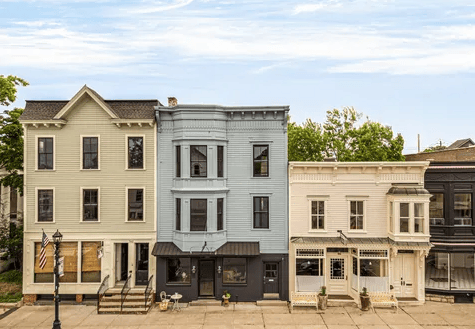
Troy is not a place where home style feels generic. The city’s housing identity is tied closely to its historic districts, preserved streetscapes, and a wide mix of architectural styles that include Queen Anne, Italianate, Greek Revival, Romanesque, Gothic Revival, Beaux Arts, and Mansard design.
That variety gives you real options, but it also means your decision is about more than looks. In Troy, the right fit often comes down to layout, maintenance expectations, future renovation plans, and how much work you want to take on in a cold-climate market.
For budget context, Census QuickFacts reports a median owner-occupied housing value of $206,500 in Troy, with median monthly owner costs with a mortgage of $1,774 and median gross rent of $1,175. In a market with a wide range of home types, comparing condition and livability matters just as much as comparing price.
What historic homes offer in Troy
Historic homes in Troy often deliver the kind of charm that is hard to recreate. You may find brick rowhouses, brownstones, restored Victorians, older multi-family properties, and homes with original stairs, high ceilings, cast-iron detail, and decorative exterior features.
Current listings show how dramatic that character can be. One example in today’s market is 198 9th Street, described as an 1871 brick-and-brownstone estate with a carriage house and 10-foot ceilings. Homes like that appeal to buyers who want architecture with a strong sense of place.
Historic ownership can also connect you more directly to the city’s streetscapes and walkable areas. Troy’s heritage, downtown activity, and revitalized corridors are a major part of the appeal for buyers who want a home that feels tied to the city’s story.
Historic home pros
- Distinctive architecture and original details
- Strong neighborhood identity and classic streetscapes
- Often located near established downtown and older neighborhood areas
- Potential access to historic tax credits on qualifying properties and projects
Historic home trade-offs
- More ongoing maintenance is often required
- Exterior changes may require review and approval in historic districts
- Layouts may include more stairs and narrower vertical living spaces
- Repairs can require specialty materials or experienced trades
What new builds offer in Troy
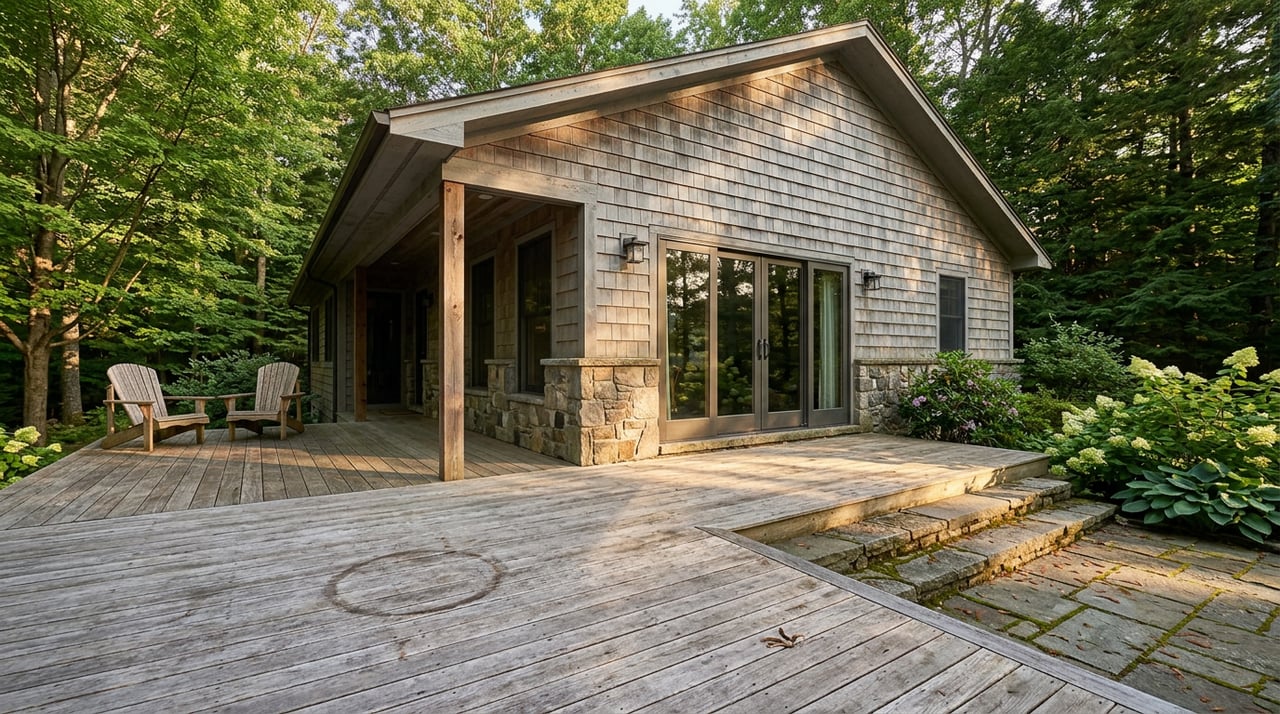
If your top priorities are simplicity and function, a newer home may be the better fit. In Troy, new construction tends to focus on easier living with open layouts, attached garages, and designs that require less work upfront.
Current listings reflect that clearly. Examples include a pending townhome at 3 Giovanni Court with an open floor plan, attached garage, and no HOA fee, along with 6 Essie Lane, a three-bedroom farmhouse ranch listed at $950,000.
A newer home can also make day-to-day living easier if you want fewer stairs, more accessible layouts, and modern systems from the start. In many cases, you trade some architectural uniqueness for convenience, efficiency, and predictability.
New build pros
- Lower initial maintenance needs
- Open floor plans and more modern room flow
- Easier accessibility, including some single-level options
- Systems and materials designed to meet current code requirements
New build trade-offs
- Less original architectural character
- May feel less distinctive than Troy’s older housing stock
- Price can still vary widely based on finish level, size, and location
Why rehabbed homes can be the sweet spot
For many buyers, the best answer is somewhere in the middle. A rehabbed property can give you some of the visual appeal of an older home while reducing some of the uncertainty that comes with a full historic fixer-upper.
Troy’s market shows this hybrid category clearly. Redfin’s current new-construction feed includes a rebuilt 1890 home at 2208 12th Street that was gutted and rebuilt with permits, then marketed as feeling like new construction while keeping neighborhood charm.
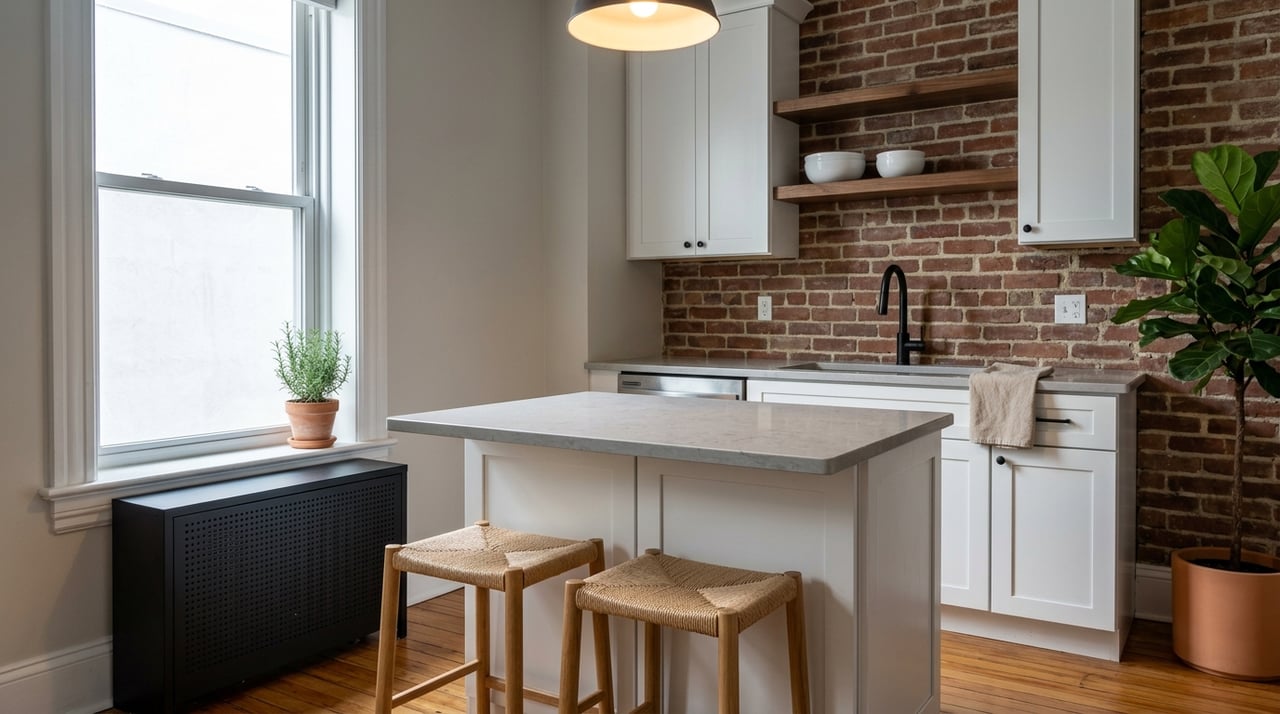
That kind of property can work well if you want updated kitchens, insulation, electrical, plumbing, and finishes inside, while still enjoying an older exterior and a more established setting. It is often a practical middle ground for first-time buyers and move-up buyers alike.
Understand Troy’s historic district rules
If you are drawn to a home in one of Troy’s historic districts, you need to understand the rules before you buy. The city’s Historic District and Landmarks Review Commission reviews rehabilitation and new construction projects that affect exterior appearance in protected districts.
That does not mean every project becomes complicated. Troy says ordinary interior work and routine exterior maintenance, such as replacing broken window glass or repainting the same color, do not require historic-commission approval.
The bigger issue is future flexibility. If you know you will want to change windows, doors, siding, trim, or other visible exterior elements later, it is important to factor in review requirements, permit needs, and material standards from the start.
Windows are a good example
Window work shows how the process can differ in a historic area. Troy’s preservation guide says replacement windows should match the original size, shape, design, and material, and the city’s building-permit page notes that replacing windows or doors requires a permit.
That does not make ownership harder than it is worth. It simply means that buyers should expect more documentation and a more careful renovation path than they would with a typical newer suburban-style home.
Energy efficiency matters more here
In Troy, efficiency is not a small detail. Rensselaer County sits in a cold-climate zone, and NYSERDA says heating and cooling can account for more than half of a typical home’s energy use.
That matters because many older New York homes are uninsulated or insufficiently insulated. A historic home may have beautiful original materials, but if the insulation, air sealing, and heating systems are outdated, your comfort and monthly costs can look very different from a newer or fully rehabbed property.
New homes and gut rehabs have an advantage here. They can be built or updated with air sealing, insulation, heat pumps, and other efficient systems from day one, and New York’s energy code sets the minimum efficiency standard for new construction and major work.
Ask better questions during your search
In Troy, the label on the listing is only the starting point. What matters most is how the home lives, what condition it is in, and what kind of ownership experience you want over the next several years.
As you compare options, focus on the systems and features that will shape your day-to-day life. A beautiful old facade or a brand-new kitchen means less if the home does not fit your mobility, maintenance, or budget comfort level.
Questions to ask before you decide
- How old are the roof, boiler or furnace, electrical, plumbing, and windows?
- Is the property located in a historic district?
- Do you want to make exterior changes in the future?
- Are you comfortable with stairs, or do you prefer single-level living?
- How strong is the home’s insulation and overall energy envelope?
- Are permits and renovation records available for major updates?
- Has the water service line information been verified?
That last point is especially important in Troy. The city says much of its service-line data is based on historic records and has not been confirmed, so buyers should verify plumbing and lead-risk information before closing.
Which type of home fits your lifestyle?
The best choice usually comes down to how you want to live. If you value character, established streetscapes, and the feel of a home with history, a historic property may be worth the extra planning and maintenance.
If you want lower upkeep, open design, garage parking, and a more accessible floor plan, a newer build may serve you better. If you want some charm without as many unknowns, a rehabbed home may offer the best balance.
In today’s Troy market, age alone is not the main price driver. Condition, finish level, layout, and efficiency often matter more than whether the home was built in 1890, 1970, or last year.
Final thoughts on choosing in Troy
Troy is one of those markets where your home choice can feel personal in the best way. You are not just choosing square footage. You are choosing how much history, maintenance, flexibility, and convenience you want built into daily life.
When you look beyond the label of historic or new, the decision usually gets clearer. The right home is the one that fits your budget, your comfort level, and the way you plan to live in Troy for years to come.
If you want help comparing older homes, rehab opportunities, and newer builds across Troy, Team Taylor can help you weigh the trade-offs and find the right fit for your goals.
FAQs
What should buyers know about historic homes in Troy?
- Buyers looking at historic homes in Troy should expect distinctive architecture, more maintenance, and possible review requirements for exterior changes if the property is in a protected historic district.
What makes new construction appealing in Troy?
- New construction in Troy often appeals to buyers who want open layouts, attached garages, easier accessibility, and lower upfront maintenance.
Are rehabbed homes a good middle-ground option in Troy?
- Rehabbed homes can offer older-home character with updated systems and finishes, which may reduce some of the unknowns compared with a full fixer-upper.
Do all repairs on historic properties in Troy need approval?
- No. Troy says ordinary interior work and routine exterior maintenance, such as replacing broken window glass or repainting the same color, do not require historic-commission approval, though exterior modifications do.
Why does energy efficiency matter so much for Troy homes?
- Troy is in a cold-climate region, and heating and cooling can account for more than half of a typical home’s energy use, so insulation, air sealing, and efficient systems can have a big impact on comfort and cost.
What should buyers verify about water service lines in Troy?
- Buyers in Troy should verify plumbing and lead-risk information before closing because the city says much of its service-line data is based on historic records and has not been confirmed.