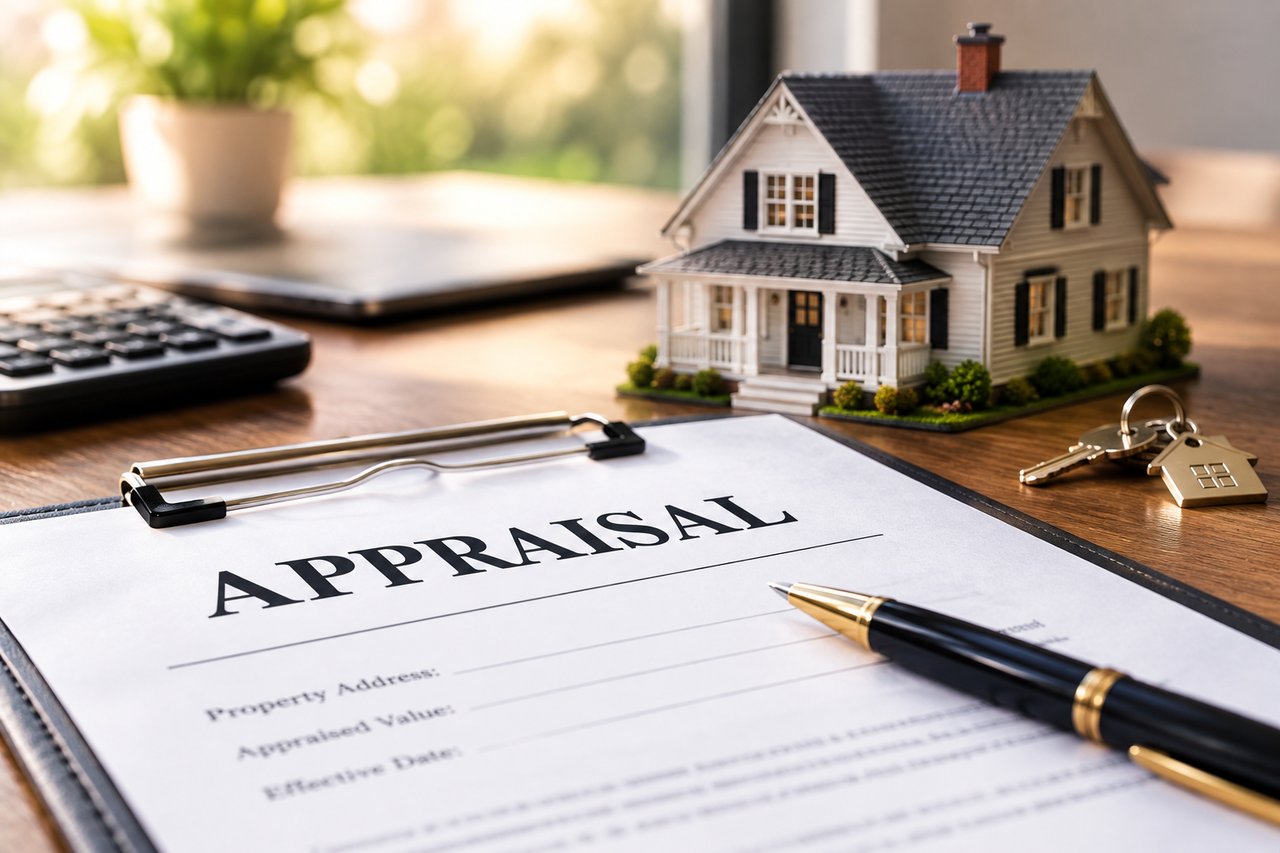
What Happens When a Home Doesn’t Appraise for the Purchase Price? 🏡
You found the house you want.
You made an offer.
The seller accepted it.
Then the appraisal comes back—and the appraised value is lower than the price you agreed to pay.
Now what?
For buyers and sellers, this can be one of the more confusing moments in a real estate transaction.
A low appraisal does not automatically mean the deal is over. But it can create a financial and contractual issue that needs to be worked through.
Here’s what buyers and sellers should understand.
🔎 First, What Is an Appraisal?
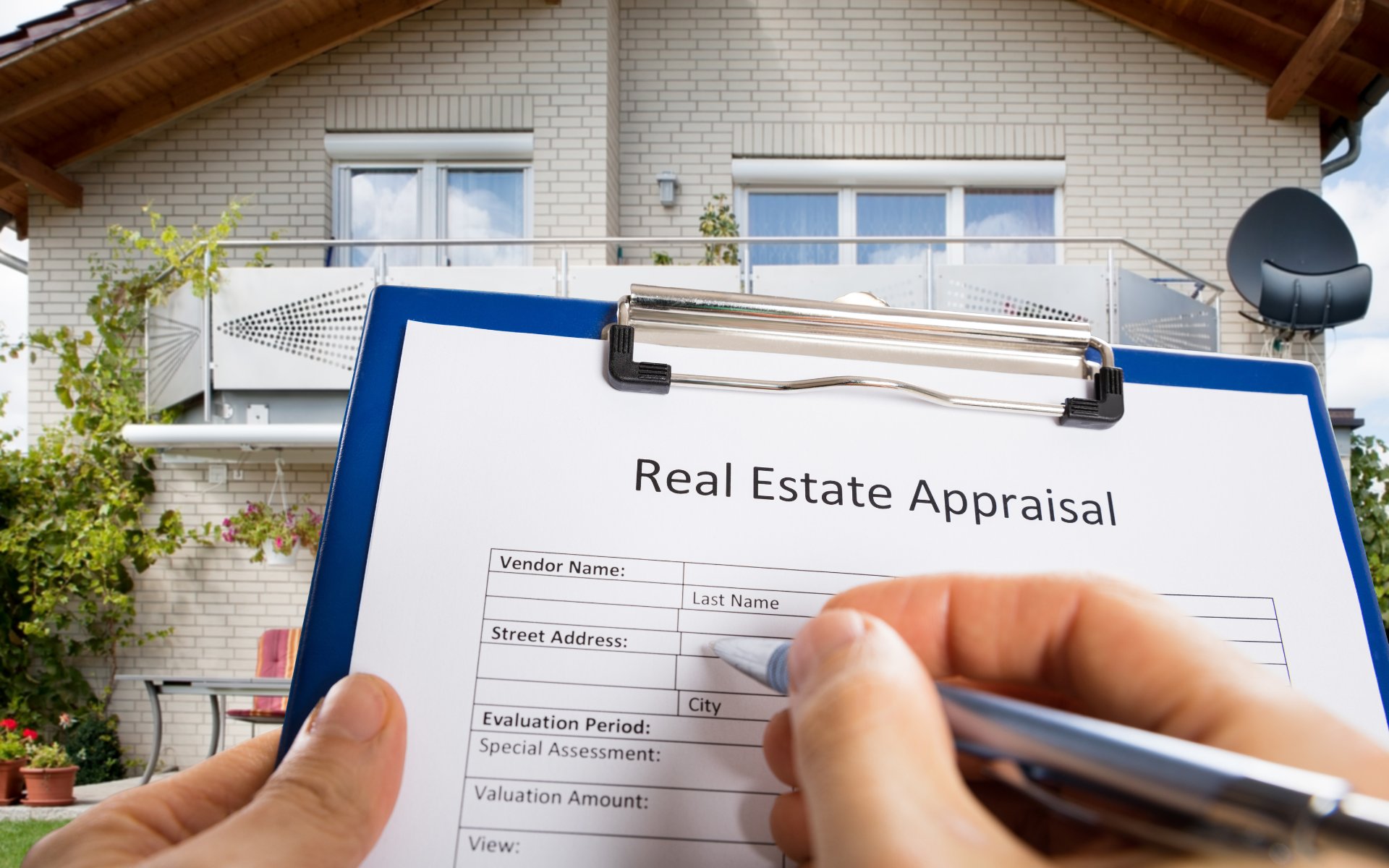
An appraisal is an independent opinion of a property's market value, typically completed for a lender when the buyer is obtaining financing.
The appraiser may consider factors such as:
- The home's size and features
- Overall condition and improvements
- Location
- Recent sales of comparable properties
- Current market conditions
- Other characteristics that may affect value
The important thing to understand is that the purchase price and appraised value are two different things.
The purchase price is what the buyer and seller agreed to.
The appraised value is the appraiser's opinion of the property's value based on the information and comparable sales considered during the appraisal.
Ideally, those numbers are close.
Sometimes they aren't.
💰 Here's a Simple Example
Let's say a buyer agrees to purchase a home for $400,000.
The appraisal comes back at $380,000.
That creates a $20,000 difference between the contract price and the appraised value.
That does not necessarily mean the buyer automatically has to bring $20,000 to closing.
What happens next can depend on the buyer's financing, the terms of the purchase contract, whether there is an appraisal contingency, and what the buyer and seller are willing to negotiate.
🤔 Why Would a Home Appraise for Less?
There are several reasons an appraisal may come in below the purchase price.
Sometimes the market has moved quickly, and recent comparable sales do not fully reflect what buyers are currently willing to pay.
Other homes may have features that are difficult to compare directly. Maybe the property has extensive updates, an unusual floor plan, a particularly desirable location, or other characteristics that made the buyer willing to pay more than the comparable sales suggested.
In a competitive market, buyers may agree to a price that ultimately exceeds what the available comparable sales support.
That doesn't necessarily mean anyone did anything wrong.
It simply means the contract price and the appraised value don't line up.

🏦 What Happens to the Buyer?
This is where financing becomes especially important.
A lender generally considers the appraised value when determining how much it is willing to lend, along with the other requirements of the buyer's loan program and financial situation.
If the appraisal comes in below the purchase price, there are several possible ways the situation could be handled.
The Seller Could Reduce the Price
The buyer and seller may negotiate a lower purchase price.
For example, if the contract price is $400,000 and the appraisal is $380,000, the seller could agree to reduce the price closer to the appraised value.
Whether that happens depends on the circumstances and the negotiations.
The Buyer Could Bring Additional Money
Depending on the financing and the buyer's financial situation, the buyer may choose to contribute additional funds toward the difference.
This is often referred to as covering an appraisal gap.
But this is an important decision.
Before agreeing to bring additional money to the table, buyers should understand how it affects their available cash, down payment, closing costs, emergency reserves, and overall budget.
The Buyer and Seller Could Split the Difference
There may also be situations where both sides make an adjustment.
The buyer could contribute some additional money while the seller reduces the price somewhat.
There is no universal formula for splitting an appraisal gap.
It becomes a negotiation based on the circumstances of the transaction.
The Buyer May Have Contractual Options
Depending on the purchase contract and whether an appraisal contingency is included, the buyer may have additional options if the appraisal comes in below the agreed-upon price.
This is one reason understanding the contract before making an offer is so important.
You don't want to wait until an appraisal issue appears to find out what your options are.
🏠 What About the Seller?
A low appraisal can be frustrating for a seller, especially when the property received strong interest or multiple offers.
But a low appraisal does not automatically mean the home was overpriced or that the contract price was unreasonable.
It means the appraiser's opinion of value did not support the contract price based on the analysis performed.
The seller may then need to consider the available options.
That could include:
- Negotiating a lower price
- Working with the buyer on an appraisal gap
- Providing additional information for a reconsideration of value
- Proceeding under the existing contract if possible
- Considering other contractual options
The right path depends on the specific transaction.

📋 Can an Appraisal Be Challenged?
Sometimes an appraisal may not include information that could be relevant to the property's value.
There could be a factual error, a relevant comparable sale that was overlooked, or information about improvements that was not fully considered.
Depending on the lender and appraisal process, the buyer or lender may be able to request a reconsideration of value.
That does not guarantee that the appraised value will change.
But if there is legitimate information that may affect the valuation, it can be worthwhile to make sure the appraiser has accurate and complete information.
📊 This Is Why Pricing and Offers Matter
An appraisal issue highlights something important about buying and selling real estate:
There are really two different questions being considered.
What is a buyer willing to pay?
And:
What value does the available financing support?
In many transactions, those numbers line up.
In a competitive market, they don't always.
That is why buyers should think carefully before making an offer substantially above recent comparable sales simply because they really want the property.
If you are considering an offer that could potentially create an appraisal gap, make sure you understand the financial consequences before committing.
⚖️ An Appraisal Gap Doesn't Automatically Kill the Deal
This is probably the biggest takeaway.
A low appraisal can create a problem, but it does not automatically mean the transaction is going to fall apart.
There may be several ways for the buyer and seller to move forward.
The important thing is to understand:
- The numbers
- The financing
- The purchase contract
- The appraisal
- Your available options
And remember that every transaction is different.
A solution that makes sense for one buyer and seller may not make sense for another.
🤝 Understand the Numbers Before You Move Forward
Buying or selling a home involves more than agreeing on a price.
There are financing requirements, comparable sales, contract terms, contingencies, and other factors that can affect what happens between an accepted offer and closing.
If the appraisal comes in lower than the purchase price, take a step back and understand the situation before making a decision.
If you're buying or selling a home in the Capital Region, Team Taylor at KW Platform can help you understand how an appraisal fits into the larger transaction and what questions you should be asking when the numbers don't line up exactly.
Because the goal isn't simply to get from accepted offer to closing.
It's to understand what you're agreeing to along the way.
📱 Stay Connected
Whether you're thinking about buying, selling, or simply staying informed about the Capital Region real estate market, Team Taylor is here to help every step of the way.
🏡 Visit Our Website: https://robsoldmyhouse.com
📺 YouTube: @teamtayloratkellerwilliams5814
📘 Facebook: Robert L. Taylor Realtor
📸 Instagram: @robsoldmyhouse
💬 Have questions about buying or selling a home? Reach out anytime—we're always happy to help!