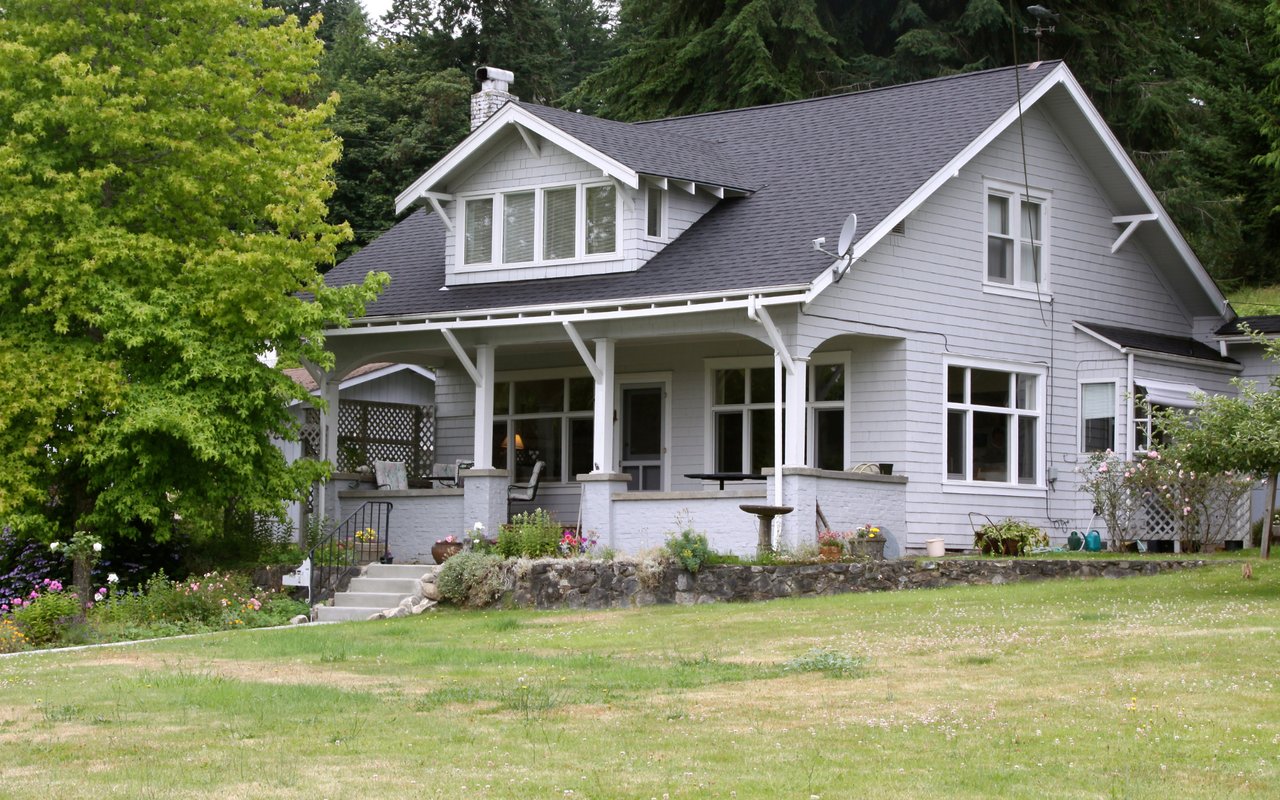
🏡 What Buyers Should Know About Older Homes in the Capital Region
There's something special about an older home.
Throughout New York's Capital Region, you'll find beautiful historic neighborhoods filled with homes that have stood the test of time. From charming properties in Amsterdam and Schenectady to historic homes in Albany, Troy, Hudson, Saratoga Springs, and the surrounding communities, older homes continue to attract buyers who appreciate their unique character and craftsmanship.
Original hardwood floors, detailed woodwork, built-in cabinets, oversized front porches, mature trees, solid construction, and established neighborhoods are just a few of the features that make these homes so appealing.
But while older homes offer plenty of charm, they also deserve a closer look before you buy.
Age alone isn't a reason to avoid a home. Many older properties have been lovingly maintained and thoughtfully updated over the years. The key is understanding what you're buying so you can make a confident decision.
Here are a few things every buyer should know before purchasing an older home in the Capital Region.

❤️ Character Is Wonderful—But Condition Matters Most
One of the biggest reasons buyers fall in love with older homes is their personality.
Unlike many newer homes, older properties often feature:
- ✨ Original hardwood flooring
- 🪵 Beautiful trim and woodwork
- 🚪 Solid wood doors
- 🪟 Built-in shelving and cabinetry
- 🌳 Mature landscaping
- 🏡 Established neighborhoods with timeless curb appeal
These details create warmth and charm that are difficult to replicate today.
However, beautiful finishes shouldn't distract you from what's behind the walls.
Be sure to evaluate the home's major components, including:
- Roofing
- Foundation
- Electrical system
- Plumbing
- Heating and cooling
- Windows
- Insulation
- Drainage
- Overall maintenance history
A home can look beautiful on the surface while hiding costly repairs underneath. Looking beyond first impressions helps you avoid unexpected surprises later.
🔨 Cosmetic Updates Don't Tell the Whole Story
Fresh paint and a renovated kitchen certainly make a home feel move-in ready—but they're only part of the picture.
When touring an older home, ask about the updates buyers don't immediately see.
Important questions include:
- When was the roof replaced?
- How old is the furnace or boiler?
- Has the electrical panel been updated?
- Have the plumbing lines been replaced?
- How old are the windows?
- Has insulation been added?
- Were permits pulled for major renovations?
Mechanical systems often have a much bigger impact on future costs than cosmetic improvements.
If the seller has maintenance records, warranties, receipts, or service history, ask to review them. The more information you have, the easier it is to understand what expenses may be coming in the future.
🔍 A Home Inspection Is More Important Than Ever
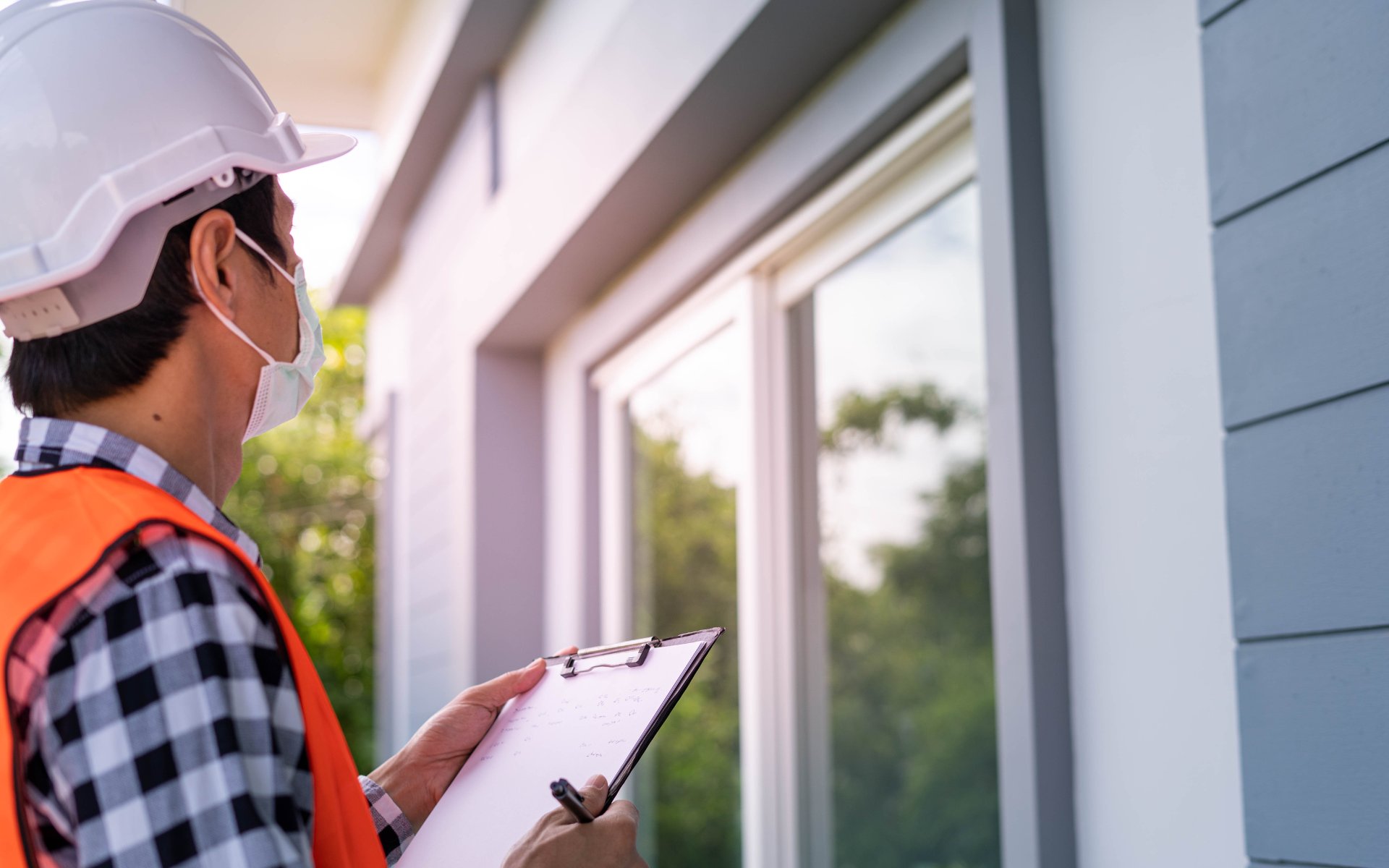
A professional home inspection is valuable on every home—but it's especially important when buying an older property.
An experienced inspector will evaluate:
- 🏠 Roof
- 🧱 Foundation
- 🔌 Electrical system
- 🚰 Plumbing
- 🔥 Heating equipment
- 🌬️ Cooling system
- 🪟 Windows
- 🏚️ Attic
- 🧰 Basement
- Exterior components
- Safety concerns
Remember, inspection reports on older homes often contain more notes than newer homes.
That doesn't automatically mean the home has serious problems.
The goal isn't to find a "perfect" house.
The goal is to understand which items are routine maintenance, which deserve attention soon, and which could become larger expenses after closing.
Knowledge gives buyers confidence.
🧱 Pay Close Attention to the Basement and Foundation
Older basements often reveal the true story of a home's condition.
During your inspection, watch for:
💧 Moisture or water intrusion
🧱 Foundation movement
🚰 Drainage concerns
🦠 Musty odors
⚠️ Visible cracks
🏚️ Signs of previous repairs
Keep in mind that many older homes were never designed to have bright, finished basements like modern construction.
Some imperfections are normal.
The important part is understanding whether you're looking at normal aging or signs of a larger structural concern.
If questions arise, bringing in a foundation specialist may provide valuable peace of mind.
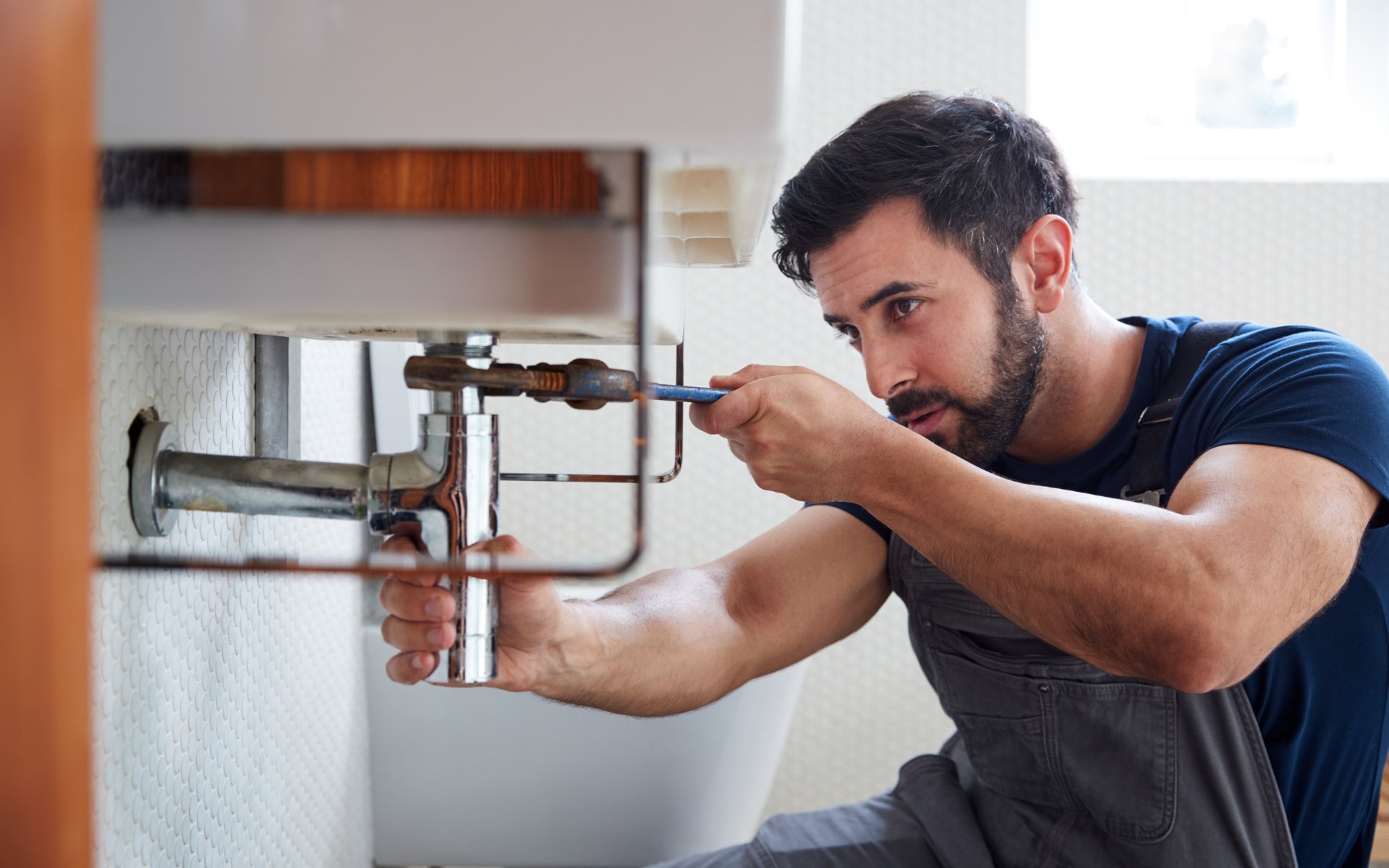
⚡ Electrical and Plumbing Systems Can Be a Mix of Old and New
Many older homes have been updated over several decades.
That means you may find:
- Modern electrical panels with older wiring in some areas
- New plumbing mixed with original supply lines
- Updated fixtures connected to aging systems
This isn't necessarily a problem.
It simply means buyers should ask questions rather than making assumptions.
Some helpful questions include:
- Has the electrical service been upgraded?
- Are outlets properly grounded?
- Has plumbing been replaced?
- Are there any known drainage or water pressure issues?
- Has the sewer line ever been inspected?
These aren't the most exciting questions—but they're among the most important.
❄️ Heating, Cooling, and Energy Efficiency Matter
Living in Upstate New York means your heating system plays a major role in everyday comfort.
Older homes throughout the Capital Region may have:
🔥 Boilers
🌡️ Baseboard heat
♨️ Radiators
🏠 Furnaces
❄️ Central air
🪟 Window air conditioners
❄️ Ductless mini-split systems
Ask about the age, maintenance history, and efficiency of these systems.
Insulation is another important factor.
Older homes weren't always built to today's energy standards, which can affect both comfort and monthly utility bills.
Understanding how the home performs throughout all four seasons helps you prepare for long-term ownership.
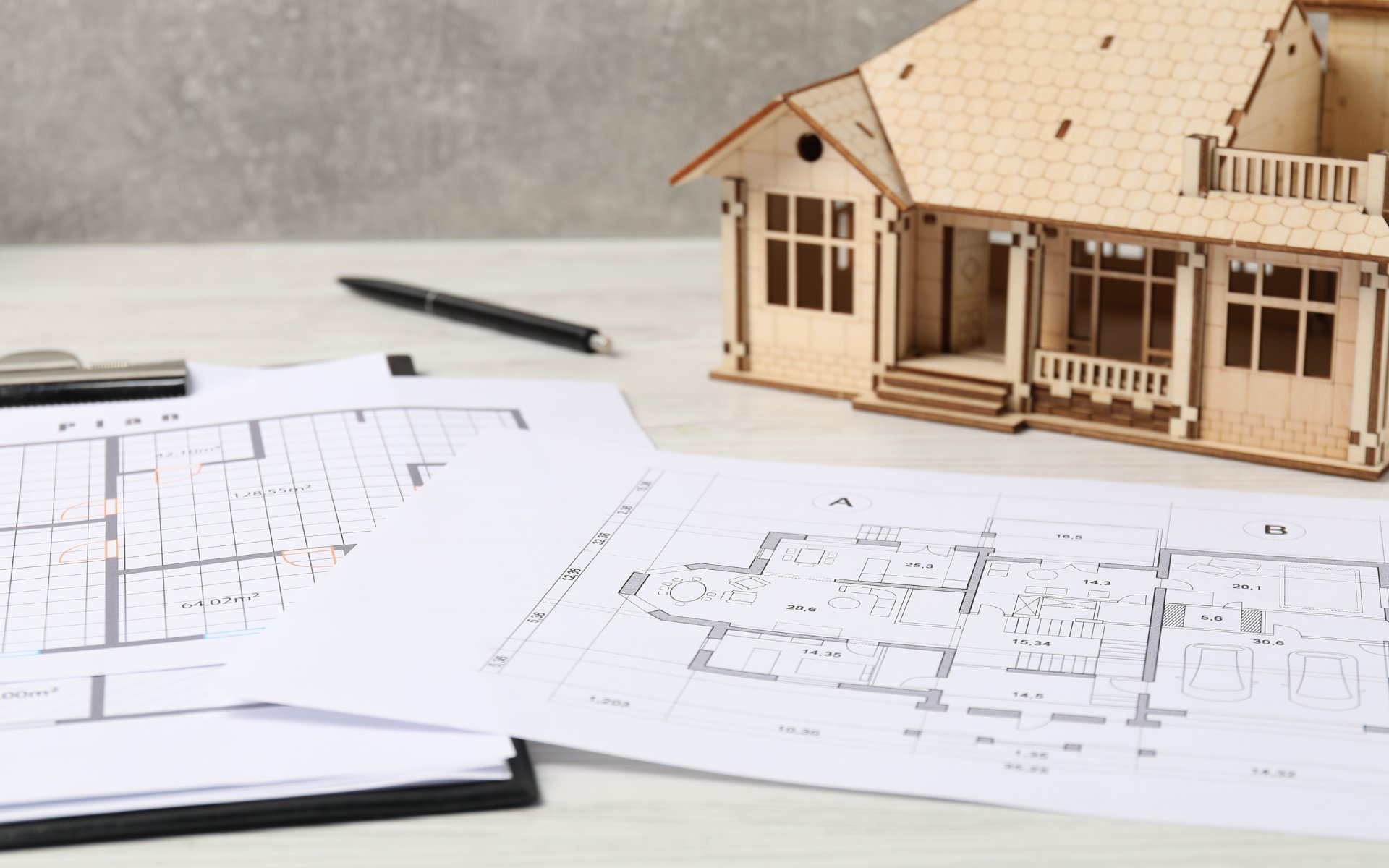
🚪 Older Floor Plans May Feel Different
Homes built decades ago were designed for a different lifestyle.
You may notice:
- Smaller closets
- Fewer bathrooms
- Formal dining rooms
- Separate living spaces
- Narrow staircases
- Smaller kitchens
- Laundry located in the basement
Some buyers absolutely love these features.
Others prefer today's open floor plans.
Before making an offer, think honestly about how the home fits your daily routine.
Ask yourself:
- Is there enough storage?
- Does the kitchen work for your family?
- Are the stairs comfortable?
- Is there enough bathroom space?
- Will the layout work long-term?
A home's charm should complement your lifestyle—not complicate it.
🛠️ Know the Difference Between Projects and Problems
Almost every older home comes with a few projects.
Those projects might include:
🎨 Painting
💡 Updating light fixtures
🪵 Refinishing hardwood floors
🚿 Refreshing a bathroom
🌿 Improving landscaping
🪑 Adding storage
Those are normal improvements many homeowners make over time.
Problems are different.
Serious concerns include:
- Structural damage
- Active water intrusion
- Unsafe electrical systems
- Failing heating equipment
- Major roof issues
- Repairs beyond your budget
No home is perfect.
The question isn't whether work is needed.
The question is whether the home's needs fit your financial goals and comfort level.
📋 Insurance and Financing Can Affect Older Homes
Depending on the home's condition, financing and insurance may require additional attention.
Some lenders and insurance companies review items like:
- Roof condition
- Electrical systems
- Heating equipment
- Peeling paint
- Safety hazards
- Overall property condition
This can be especially important for buyers using FHA, VA, or USDA financing.
Before moving too far into the buying process, it's a good idea to speak with both your lender and insurance provider so you understand any potential requirements ahead of time.
🏡 The Bottom Line
Older homes throughout the Capital Region offer something many newer homes simply can't replicate—character, craftsmanship, mature neighborhoods, and timeless charm.
But buying an older home isn't just about falling in love with beautiful woodwork or a welcoming front porch.
It's about understanding the complete picture.
Pay attention to the home's condition, major systems, inspection findings, foundation, plumbing, electrical, heating, insulation, layout, financing requirements, and future maintenance.
When you know what you're buying, you can move forward with confidence.
At Team Taylor at KW Platform, we help buyers throughout the Capital Region look beyond the surface so they can make informed decisions that fit their lifestyle and long-term goals.
An older home may be exactly what you're looking for—as long as you understand both the beauty and the responsibility that come with it.
Older homes in the Capital Region offer timeless charm, established neighborhoods, and unique architectural details—but buyers should also pay close attention to inspections, major systems, maintenance history, and future repair costs. With the right information and guidance, an older home can be a wonderful investment and a place you'll enjoy for years to come.
🔗 Related Reading
- Buying a Home With a Pool in the Capital Region: What to Know First
- What Happens If You Find the Right House Before You're Ready to List?
📱 Stay Connected
Whether you're thinking about buying, selling, or simply staying informed about the Capital Region real estate market, Team Taylor is here to help every step of the way.
🏡 Visit Our Website: https://robsoldmyhouse.com
📺 YouTube: @teamtayloratkellerwilliams5814
📘 Facebook: Robert L. Taylor Realtor
📸 Instagram: @robsoldmyhouse
💬 Have questions about buying or selling a home? Reach out anytime—we're always happy to help!