Eyeing a duplex or small apartment building in Catskill but unsure how the numbers pencil out? You are not alone. Investors across the 518 look to Catskill for lower entry prices and steady long-term rental demand, yet every block and building type tells a different story. In this guide, you will get clear, local insights on rents, vacancy, property taxes, zoning and short-term rental rules so you can underwrite with confidence. Let’s dive in.
Why Catskill appeals to investors
Catskill offers a small-town core with services, quick I-87 access, and Hudson River proximity. That mix supports long-term renters and a year-round visitor base, which you see reflected in local planning priorities and housing needs. The village comprehensive plan highlights community amenities and the draw of the waterfront and downtown corridors for residents and visitors alike (Village of Catskill Comprehensive Plan).
Entry prices in the Catskill area tend to be lower than many Hudson Valley submarkets. That can help you get in with fewer dollars down and target cash flow on smaller multi-family assets. Rents are also lower than larger 518 metros, which is why conservative modeling matters.
What buildings you will find
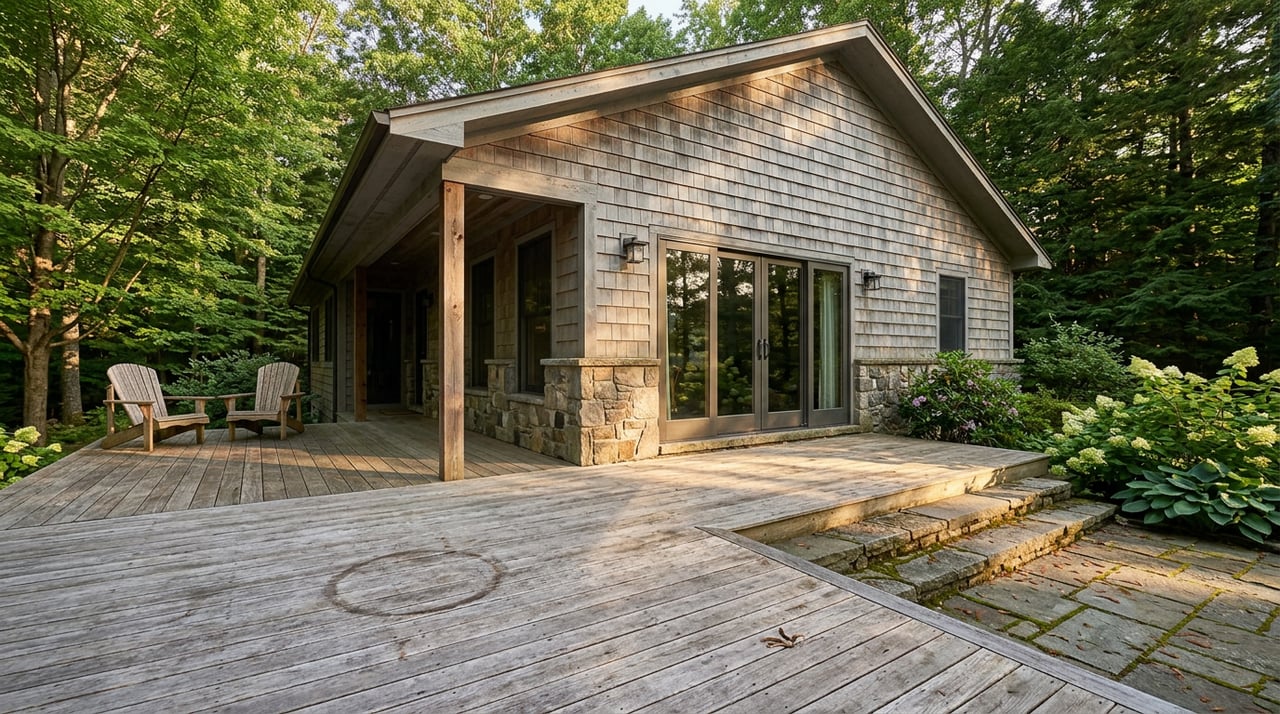
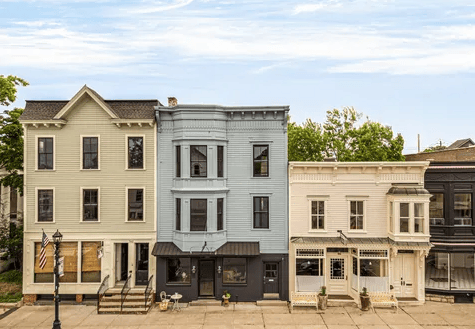
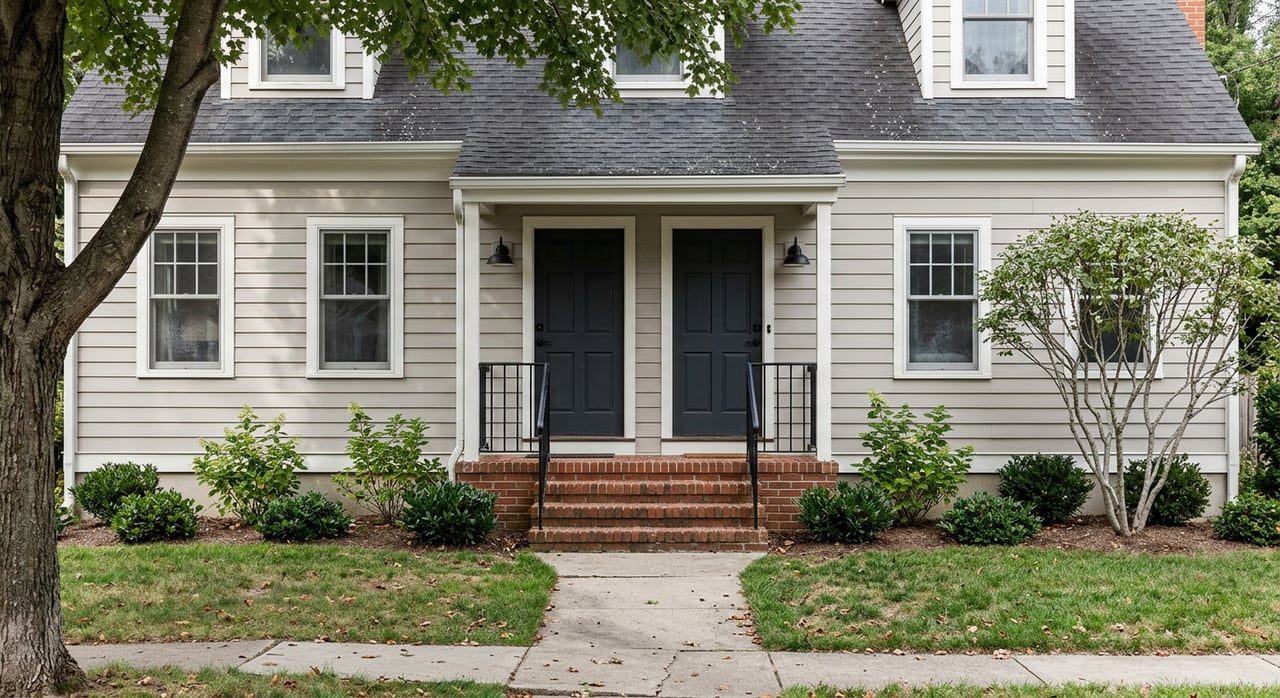
You will see many duplexes, 2 to 6 unit walk-ups, and older converted Victorians in and around the village core. Much of the stock dates to the early and mid-20th century, and some buildings are older. The village plan notes the age of housing, second-home trends, and a meaningful share of small rental buildings in the inventory (Village Comprehensive Plan).
Older wood-frame structures can bring charm and larger floor plans. They can also require more frequent maintenance, systems updates, and lead-safe practices. Build that into your underwriting from day one.
Rent ranges you can use
ACS data for ZIP 12414, which approximates the Catskill village area, shows a median gross rent around 1,040 to 1,060 dollars. Roughly 35 percent of renter households pay 500 to 999 dollars, and about 33 percent pay 1,000 to 1,499 dollars. These ZIP-level figures are a practical baseline for 1 to 2 bedroom long-term units when you build your pro forma (ACS ZIP 12414 summary).
County-level asking rents commonly read higher than the village median. That is due to premium submarkets and resort-adjacent pockets in Greene County. Use the ZIP median as your conservative rent line, then stress test for potential upside if you plan to improve units or target higher-amenity locations.
Vacancy and demand signals
Regional planning work points to rental vacancy rates in the low to mid single digits, often around 3 to 6 percent depending on season and submarket. County analyses also note a share of cost-burdened renters, which underscores the need for fair, data-based rent setting and retention strategies. Village cores tend to see steadier demand than highly seasonal areas (Greene County Housing Action Plan).
When you model a Catskill rental, consider a 6 to 8 percent vacancy allowance unless your own comps support tighter assumptions.
Zoning and where multi-family fits
Permitted uses and density vary by mapped zoning district. The Town of Catskill code outlines residential districts like RA, MR and HR, with a Waterfront Overlay that adds site-specific rules. Confirm whether your parcel is inside the incorporated Village or in the Town outside the village, since the applicable code and processes differ. Always verify your parcel’s zoning, site plan triggers, and any overlay requirements before making an offer (Town of Catskill Code on eCode360).
Short-term rentals: what to know
Catskill has moved toward a formal short-term rental permit and inspection framework at the village level. Details such as permit steps, fees, safety inspections, occupancy, and renewal cycles can change. Before you model any STR income, verify current rules directly with the Village Clerk or Code Enforcement. Planning materials and regional summaries provide useful context, but municipal confirmation is key (Village Comprehensive Plan; regional STR summary).
Taxes, compliance and operating costs
Property taxes are a significant line item in Catskill underwriting. Greene County’s effective property tax burden sits around an estimated 1.65 percent of property value in compiled county tables. Local school and village levies can shift the final bill by parcel. Use county medians for early modeling, then call the assessor for parcel history and exemptions to refine your budget (Tax Foundation county data).
New York’s Housing Stability and Tenant Protection Act set baseline rules that affect timelines and some fee and lease practices statewide. Plan for deposit handling, trust and escrow requirements where applicable, and prompt accounting at move-out. For any rent-regulated exposure in larger or older buildings, consult counsel and state guidance early in due diligence (NYS DHCR rent resources).
Given the age of many buildings, a higher maintenance and capital reserve is smart. A 10 to 20 percent of gross rent allocation can be a reasonable starting point, then adjust to actual condition and bids.
How to underwrite a Catskill duplex
Use conservative Catskill ZIP medians and then test upside with comps.
- Income: If each 2-bedroom rents near the ZIP median, two units at 1,060 dollars each produce about 2,120 dollars per month, or 25,440 dollars per year.
- Vacancy: At 6 to 8 percent, set aside roughly 1,526 to 2,035 dollars per year.
- Operating costs: Budget utilities not paid by tenants, insurance, lawn and snow, and management if you will not self-manage.
- Maintenance and capex: Set 10 to 20 percent of gross rent for repairs and long-term systems, then refine after inspections and contractor quotes.
- Property taxes: Start with county effective rate benchmarks and verify the parcel bill with the assessor for accuracy and exemptions.
- Financing: Model several down payment and interest scenarios to see your cash-on-cash range. Pair this with a realistic lease-up and turnover timeline under New York rules.
For rent comps, combine ACS ZIP medians with active local listings and recent leases. The ACS dataset is a reliable baseline for long-term rent models (ACS ZIP 12414 summary).
Management and day-to-day logistics
You can self-manage if you are close and hands-on, hire a local manager, or run a hybrid model with local maintenance support. If any short-term rental use is involved, many municipalities require a local contact who is available around the clock. Village and Town services differ on water and sewer billing, trash, and snow rules, so confirm how billing is handled for each property type before you set your lease terms (Village Comprehensive Plan).
Step-by-step next moves
Verify zoning and overlays. Confirm whether the parcel is in the Town or Village, then review permitted uses, densities, and any site plan or special-use process on eCode360 (Town of Catskill Code).
Set rent assumptions. Start with the Catskill ZIP 12414 median gross rent of about 1,040 to 1,060 dollars, then triangulate with current listings and recent leases for your unit type (ACS ZIP 12414 summary).
Model state compliance. Factor HSTPA-related timelines, deposit handling, and documentation into your schedule and policies, and get counsel if you suspect any regulated-unit exposure (NYS DHCR rent resources).
Confirm STR policy if relevant. If you plan any short-term rental operations, verify current permit language, inspection steps, fees, and occupancy rules directly with the Village or Town, using regional summaries only for orientation (regional STR summary).
Nail down taxes. Pull parcel-level tax history and confirm applicable levies, then apply conservative annual increases in your pro forma (Tax Foundation county data).
Where Catskill fits in the 518
If you want smaller deals, Catskill can deliver approachable prices, an inventory rich in duplexes and small walk-ups, and a renter base supported by county seat services and year-round attractions. Rents are lower than bigger metro cores in the region, so you win by buying right, renovating smartly, and managing well. Build on conservative rents, realistic vacancy, and healthy maintenance reserves to keep your cash flow steady.
Ready to explore on-the-ground comps and a plan tailored to your goals? Connect with the local investor-focused team that knows this market. Reach out to Team Taylor to map your Catskill strategy and see current small multi-family opportunities.
FAQs
What makes Catskill attractive for small multi-family investors?
- Lower entry prices than many nearby submarkets, steady renter demand from a county seat location, and quick Thruway and river access noted in local planning context (Village Comprehensive Plan).
What are typical long-term rents for 1–2 bedroom units in Catskill?
- ACS data for ZIP 12414 shows a median gross rent around 1,040 to 1,060 dollars, with many households between 1,000 and 1,499 dollars (ACS ZIP 12414 summary).
How tight is rental vacancy in Catskill and Greene County?
- County planning materials describe vacancy in the low to mid single digits, often around 3 to 6 percent depending on area and season (Greene County Housing Action Plan).
Are short-term rentals allowed in the Village of Catskill?
- The village has moved toward an STR permit and inspection process, so confirm current requirements, fees, and inspections with the Village Clerk or Code Enforcement before modeling any STR income (Village Comprehensive Plan; regional STR summary).
How should I budget property taxes on a Catskill duplex?
- Use Greene County’s effective property tax benchmarks for early estimates and then confirm parcel-specific bills, levies, and exemptions with the assessor to refine your pro forma (Tax Foundation county data).
What vacancy and maintenance assumptions fit older Catskill buildings?
- Many investors underwrite 6 to 8 percent vacancy and 10 to 20 percent of gross rent for maintenance and capital reserves, adjusting to the building’s age and inspection findings (Village Comprehensive Plan).
Where do I confirm zoning for a property in Catskill?
- Start with the Town of Catskill code on eCode360 and verify whether the parcel is in the Village or Town, then check district uses, density, and any Waterfront Overlay rules with the code office (Town of Catskill Code).