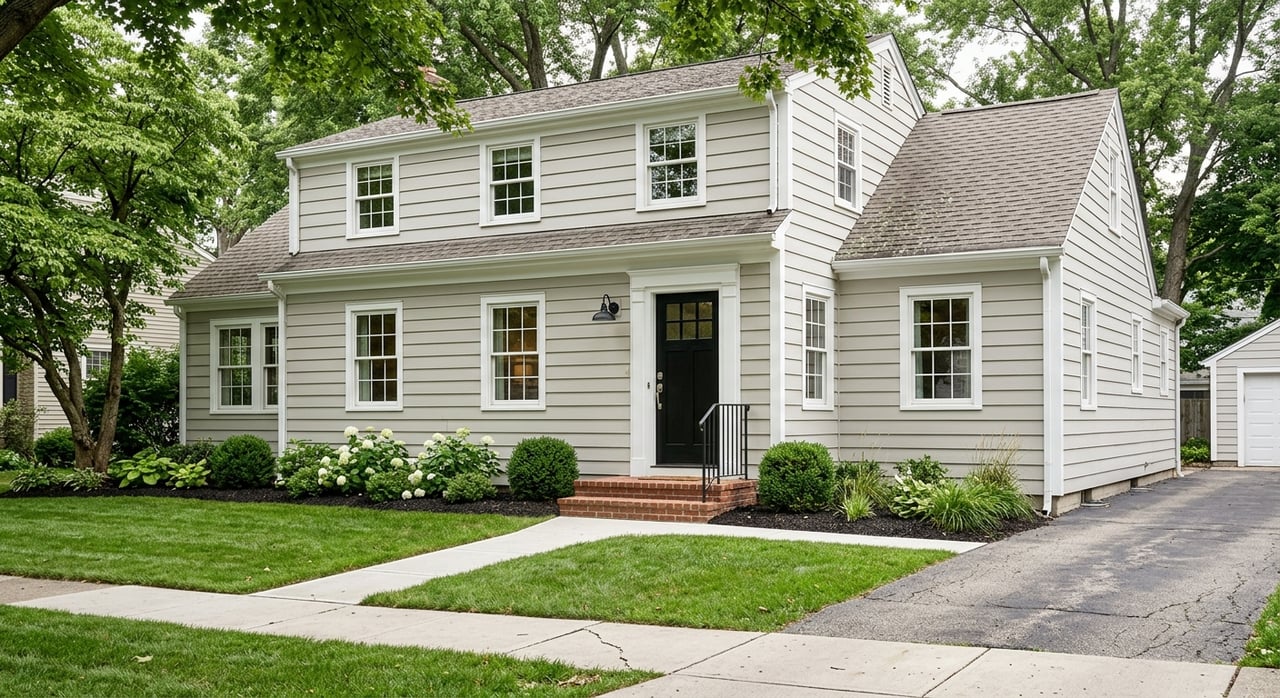
If you are thinking about selling in Schenectady, your home is competing online before a buyer ever steps through the door. In a market where homes move quickly and buyers often compare several options at once, preparation can shape both the first impression and the final offer. The good news is that you do not need to do everything. You just need to focus on the updates and presentation choices that today’s buyers notice most. Let’s dive in.
Why preparation matters in Schenectady
Schenectady has a housing stock with a lot of character, but it also comes with quirks that buyers will notice. According to the City of Schenectady community profile, 56.5% of housing units were built before 1940. That means many sellers are working with older materials, original layouts, and maintenance items that can affect buyer confidence.
At the same time, the local market is still moving at a strong pace. Redfin’s Schenectady market data reported a median sale price of $273,750 and a median of 22 days on market in February 2026, while also describing the market as very competitive. In that kind of environment, strong presentation helps your home stand out and makes it easier for buyers to act quickly.
Start with transparency
One of the smartest first steps is understanding your home before buyers do. The National Association of Realtors consumer guide on seller disclosures explains that a pre-listing inspection can help you spot problems early, decide what to repair, and prepare for issues that could affect pricing or negotiations.
This matters even more in older homes, where deferred maintenance may not be obvious at first glance. If a buyer discovers issues during their inspection, they may ask for repairs, request credits, or try to renegotiate. When you prepare in advance, you stay in control of the conversation.
Know New York disclosure timing
New York sellers also need to pay close attention to disclosure requirements. The New York Department of State says the Property Condition Disclosure Statement is required beginning July 1, 2025, and it must be delivered to the buyer or the buyer’s agent before a binding contract is signed.
That form is not a warranty, and it does not replace inspections. Still, it makes accurate, early preparation even more important. If you know the condition of your home before listing, it is much easier to disclose honestly and avoid last-minute surprises.
Focus on repairs buyers can see
When sellers think about preparing a home, they often jump straight to major remodels. In most cases, that is not the best use of your time or budget. Buyers tend to respond most strongly to homes that feel clean, cared for, and easy to maintain.
The best prep work usually targets visible, functional issues that create doubt. That includes peeling paint, worn trim, sticking doors, dated light fixtures, damaged flooring, loose hardware, and rooms that feel dark or unfinished. These fixes may seem small, but together they help your home feel more move-in ready.
Put curb appeal near the top
Exterior improvements often make the strongest resale case. Zonda’s 2024 Cost vs. Value report found that replacement projects like garage doors, steel entry doors, and manufactured stone veneer delivered stronger cost recovery than many larger interior remodels.
That does not mean every Schenectady seller needs a major exterior project. It does mean your entry, front door, lighting, walkway, and overall curb appeal deserve attention. Buyers often decide how they feel about a home before they reach the front step.
Keep interior updates practical
Inside the home, think refresh instead of reinvention. Fresh paint in neutral tones, repaired trim, updated lighting, clean floors, and working fixtures usually do more to calm buyer concerns than a full-scale remodel.
Kitchens and baths still matter, but you do not always need a full overhaul. If cabinets are solid, simple improvements like hardware, lighting, paint, and clean surfaces can go a long way. The goal is to make the space feel functional, bright, and easy to picture as home.
Respect permits and historic rules
In Schenectady, prep work is not just about style. It can also involve local compliance. The city’s Building Permits page says almost every alteration, repair, or construction project requires a permit, and work done without permits can lead to violations or fines.
If you are hiring a contractor, confirm who is handling the permit process. If you are thinking about quick exterior changes before listing, check requirements first. A rushed project can create problems that delay your sale instead of helping it.
Historic homes need extra care
Some Schenectady properties are in historic districts, and that can affect exterior updates. The city notes that owners of historic properties should contact the Historic Resource Commission before making exterior changes. This is especially important if your home has original architectural details or sits within one of the city’s locally designated historic districts.
That does not mean you cannot improve your home. It means you should make informed choices so your prep work supports your sale without creating avoidable compliance issues.
Address lead-paint concerns early
Because many Schenectady homes were built decades ago, lead-based paint may be part of the conversation. The city’s Lead Safe Housing Program says eligible city properties built before 1978 with lead hazards may qualify for up to $20,000 per unit in lead hazard control funding.
The city also notes that homeowner assistance may include items like windows, siding, doors, sheetrock, and painting for qualified properties. If your home may have lead-related concerns, looking into resources early can help you make smarter decisions before your home goes on the market.
Declutter, clean, and stage with purpose
Once repairs are handled, your next job is making the home easy to understand. Buyers do not just want square footage. They want to see how the home lives.
That is where decluttering, cleaning, and staging make a difference. According to the 2025 NAR staging report, 29% of agents said staging led to a 1% to 10% increase in the dollar value offered, and 49% said staging reduced time on market.
Stage the rooms that matter most
You do not have to stage every inch of the house. NAR found that the most commonly staged rooms were the living room, primary bedroom, dining room, and kitchen. Those are often the rooms where buyers make emotional decisions.
Your goal is to create a clean, open feeling that helps buyers focus on the home itself. Remove excess furniture, clear countertops, simplify decor, and make sure each room has a clear purpose. In older homes especially, this can help layouts feel more intuitive.
Build an online-first listing
Today’s buyers often form their first opinion from a screen. That means your marketing package is not an extra. It is part of the preparation.
In Zillow’s 2025 prospective-buyer survey, floor plans ranked first among listing features at 33%, followed by high-resolution photos at 26%, 3D or virtual tours at 20%, and video at 4%. NAR also found that photos were considered very useful by 83% of internet-using buyers, with virtual tours at 41% and videos at 29%.
Use rich media to reduce buyer hesitation
For many Schenectady homes, especially older ones, buyers want help understanding flow, room size, and updates. Strong visuals answer those questions before a showing. Professional photography highlights condition and light, floor plans clarify layout, and virtual tours or video help buyers feel oriented.
That is especially valuable when your home has unique features, older architecture, or a floor plan that needs context. A polished, media-rich presentation can help buyers feel more comfortable taking the next step.
A simple prep checklist
If you want to keep your preparation focused, start here:
- Consider a pre-listing inspection
- Gather records for repairs and improvements
- Review New York disclosure requirements
- Fix visible maintenance issues
- Refresh paint, lighting, and hardware where needed
- Improve curb appeal at the entry and front exterior
- Confirm permit or historic-district requirements before exterior work
- Explore lead-safe resources if your home was built before 1978
- Declutter and deep clean
- Stage key rooms
- Invest in professional photos, floor plans, virtual tours, and video
Preparation is about reducing buyer doubt
The best pre-sale work is not always the most expensive. In Schenectady, where many homes have age, charm, and a few surprises, the real goal is to reduce uncertainty. When buyers can see that a home has been cared for, explained clearly, and presented well, they are more likely to move forward with confidence.
If you are getting ready to sell, the right plan can help you decide what to fix, what to leave alone, and how to present your home in a way that matches today’s buyer expectations. If you want a local strategy built around your property, connect with Team Taylor for guidance on pricing, preparation, and marketing.
FAQs
What should you fix before listing a home in Schenectady?
- Focus first on visible and functional issues like peeling paint, worn flooring, outdated lighting, damaged trim, sticking doors, and anything that makes buyers question maintenance.
Do you need a pre-listing inspection before selling a Schenectady home?
- A pre-listing inspection is optional, but NAR says it can help you identify issues early, make repair decisions, and prepare for disclosure and pricing conversations.
Do historic homes in Schenectady need approval for exterior changes?
- Some do. The City of Schenectady says owners of historic properties should contact the Historic Resource Commission before making exterior alterations.
Are permits required for home improvements in Schenectady?
- In many cases, yes. The city says almost every alteration, repair, or construction project requires a permit, so it is important to check before starting work.
What listing photos and media do buyers want most today?
- Zillow’s 2025 survey found that buyers value floor plans, high-resolution photos, 3D or virtual tours, and video, which makes a full media package a smart part of your selling strategy.