How Do You Tell the Difference Between a Cosmetic Problem and an Expensive Problem in a Home? 🏡
You walk into a house and immediately notice the bright orange walls.
The kitchen cabinets aren't your style.
The carpet has seen better days.
There's wallpaper in the bathroom that looks like it belongs in another decade.
Your first thought might be:
“This house needs a lot of work.”
But does it?
One of the most useful skills buyers can develop is learning how to separate cosmetic issues from potentially expensive problems.
That distinction can change how you evaluate a home—and how much you are ultimately willing to spend to make it yours.
🎨 Not Everything You Don't Like Is a Problem
A cosmetic issue generally affects the appearance of a home more than its basic function, structure, or major systems.
Think about things like:
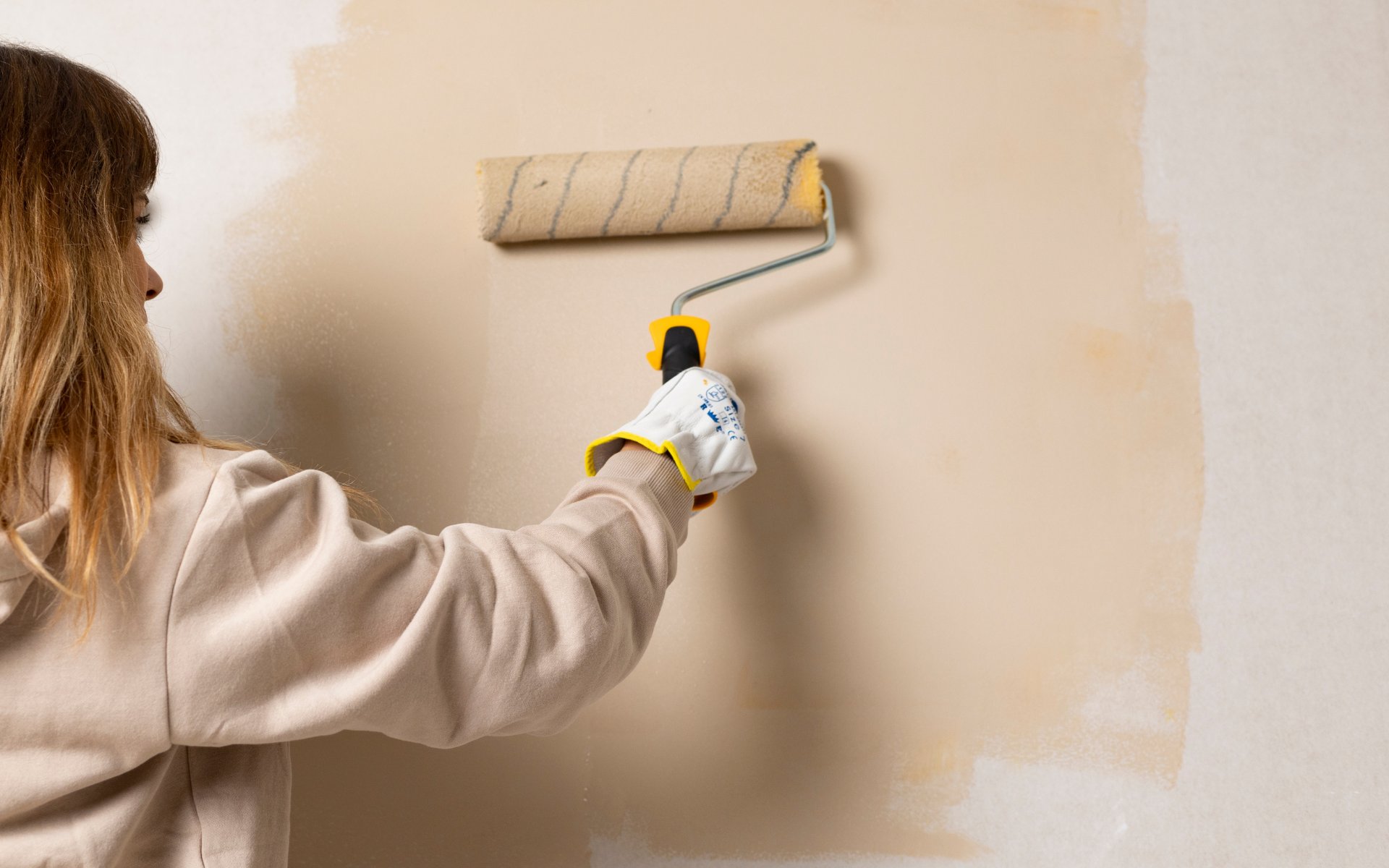
- Paint colors
- Outdated wallpaper
- Older carpeting
- Dated light fixtures
- Cabinet colors or finishes
- Countertops you don't love
- Older but functional appliances
- Landscaping that needs attention
These things can certainly make a home feel dated.
But dated doesn't necessarily mean expensive.
One buyer might walk into an older kitchen and immediately picture a major renovation.
Another buyer might look at the same kitchen and think, “Everything works. We can update it eventually.”
That difference in perspective matters.
🔧 Some Problems Go Deeper Than Appearance
Other issues may involve the home's structure or major systems and deserve much more attention.
Examples can include:
- Foundation concerns
- Significant water intrusion
- Major roof problems
- Serious electrical issues
- Plumbing problems
- Failing heating or cooling systems
- Structural concerns
- Extensive rot or deterioration
These problems can potentially involve much more money and disruption than repainting a room or replacing carpet.
But here's the important part:
You usually can't determine the severity of a problem just by looking at it.
That's where professional inspections and evaluations become so valuable.
👀 Look at the House With a Different Set of Eyes
When you're touring a home, try separating your reaction into two categories:
“I don't like this.”
and
“Something may be wrong with this.”
Those are very different statements.
You don't like the kitchen cabinets?
That's probably a design preference.
You notice water staining on the ceiling?
That deserves a closer look.
You dislike the bathroom color?
Cosmetic.
The bathroom floor feels soft under your feet?
Worth investigating.
The exterior paint looks terrible?
Cosmetic.
You notice significant cracking or signs of water intrusion around the foundation?
That's a different conversation.
The goal isn't to diagnose the house yourself.
It's to recognize when something deserves more attention.
⚠️ Don't Automatically Assume the Worst
This works both ways.
Seeing something concerning does not automatically mean you've discovered a massive problem.
A ceiling stain could be from an old leak that has already been repaired.
A wall crack could be minor—or it could warrant further evaluation.
An older furnace may still be functioning properly.
An older roof may still have useful life remaining.
That's why buyers should be careful about assigning a dollar amount to a problem based only on what they notice during a showing.
Instead, make a note of the concern and ask the appropriate professional to evaluate it.

🔍 The Home Inspection Helps You Learn More
A professional home inspection can provide valuable information about the condition of the property.
An inspector may identify issues involving the home's structure, roof, plumbing, electrical systems, heating and cooling, drainage, and other components.
But don't be surprised if an inspection report contains a long list of observations and recommendations.
Not every item means “this needs to be fixed immediately.”
The more useful question is:
What actually matters, and how significant is it?
A loose door handle and a major foundation concern should not carry the same weight simply because they both appear on the inspection report.
Understanding that difference is part of evaluating the home.
⏳ Consider the Cost—and the Timing
Even when you identify a legitimate issue, another important question is:
How soon does it actually need to be addressed?
An older roof may eventually need replacement, but that doesn't necessarily mean it needs to be replaced immediately.
An older heating system may eventually need to be replaced, but that doesn't automatically mean it is about to fail.
Understanding the condition, expected remaining life, potential repair cost, and urgency can give you a much clearer picture than simply labeling something as “old.”
💵 Cosmetic Work Still Costs Money
Just because something is cosmetic doesn't mean it is free to change.
If you're buying a home with outdated flooring, paint, fixtures, or landscaping, you may need to spend money and time making the property feel like yours.
Those costs should absolutely be part of your planning.
But there is an important difference between:
“I'm going to spend money updating this house.”
and:
“This house has a major underlying problem.”
The first may simply be part of personalizing an existing home.
The second could significantly affect your purchase decision.

🏠 Look at the Whole House
One dated kitchen shouldn't necessarily overshadow a home with a newer roof, updated mechanical systems, a solid foundation, and a history of good maintenance.
At the same time, fresh paint, beautiful countertops, and stylish finishes shouldn't distract you from a significant underlying issue.
Try to look beyond the first impression in both directions.
Don't reject a sound house because you don't like the wallpaper.
And don't fall in love with beautiful finishes without paying attention to what's underneath them.
❓ Ask Questions Before Making Assumptions
If something catches your attention during a showing, ask about it.
For example:
- Has it been repaired?
- How old is the system?
- Is there documentation?
- Has there ever been a water issue?
- When was the roof replaced?
- How old is the heating system?
- Have there been previous inspections or repairs?
The answers may provide useful context.
But when a concern could affect the condition or safety of the home, information from the seller or listing is not a substitute for an appropriate professional inspection or evaluation.
🧠 Learn to Separate “I Would Change That” From “I Need to Understand That”
Very few homes are perfect.
Especially when you're buying an existing home, you're likely to find something that isn't exactly what you would have chosen.
The trick is learning to distinguish between:
“I would change that.”
and
“I need to understand that.”
One is often a matter of personal preference.
The other deserves some homework.
That distinction can help you avoid overlooking a significant issue—but it can also keep you from walking away from a perfectly sound home simply because the finishes aren't your style.
🤝 The Goal Isn't to Find a Perfect House
The goal is to understand what you're actually buying.
If you're looking at homes in the Capital Region, Team Taylor at KW Platform can help you identify the questions worth asking as you evaluate a property.
And when something calls for a professional opinion, we'll help you understand which questions to bring to the appropriate inspector, contractor, or other qualified professional.
Because sometimes the house with the ugly wallpaper is a much better opportunity than the house with the beautiful kitchen.
It's what's underneath—and what it will take to make the home work for you—that really matters.
📱 Stay Connected
Whether you're thinking about buying, selling, or simply staying informed about the Capital Region real estate market, Team Taylor is here to help every step of the way.
🏡 Visit Our Website: https://robsoldmyhouse.com
📺 YouTube: @teamtayloratkellerwilliams5814
📘 Facebook: Robert L. Taylor Realtor
📸 Instagram: @robsoldmyhouse
💬 Have questions about buying or selling a home? Reach out anytime—we're always happy to help!