🏘️ Buying a Multi-Unit Home in Albany: What Should You Look at Beyond the Purchase Price?
Multi-unit homes can be appealing for a lot of different reasons.
Some buyers are looking for a property where they can live in one unit while rental income helps offset some of their housing costs. Others are looking at a multi-unit property strictly as an investment.
And in Albany, buyers may come across two-unit, three-unit, and larger properties in a variety of neighborhoods, property types, and price ranges.
But buying a multi-unit home is different from buying a single-unit property.
The purchase price matters, of course. But it is only one piece of the overall picture.
If you are considering a multi-unit property in Albany, there are several things worth evaluating before deciding whether the property actually makes sense for your goals.

💰 Start With the Current Rental Income
One of the first questions to ask is simple:
How much rent is the property currently generating?
But don't stop at the number advertised in the listing.
Take a closer look at the actual rental situation.
Are all of the units occupied? Are the tenants on leases? When do those leases expire? What are the current rents? What utilities are included? And how does the current rent compare with the property's condition and location?
There is an important difference between current rental income and projected rental income.
A property may appear attractive based on what someone believes the units could rent for, but that doesn't necessarily mean those rents are being achieved today.
If the property is already occupied, understanding the existing rental situation is an important part of evaluating the opportunity.
📊 Look at the Expenses, Not Just the Income
Gross rental income can make a multi-unit property look great on paper.
But the more important question is:
How much is actually left after the expenses are paid?
Depending on the property, the owner may be responsible for expenses such as:
- 🏠 Property taxes
- 🛡️ Insurance
- 💧 Water and sewer
- 🔥 Heating
- 💡 Common-area utilities
- 🗑️ Trash removal
- 🔧 Maintenance and repairs
- 🌱 Lawn care
- ❄️ Snow removal
- 🧑💼 Property management
- 🚪 Vacancy between tenants
A property generating strong rental income can still have challenging numbers if its operating expenses are high.
That's why buyers should look beyond the rent roll and evaluate the overall income-and-expense picture.
💡 Understand Who Pays the Utilities
Utility arrangements can make a meaningful difference in the cost of operating a multi-unit property.
Ask questions such as:
- Are the units separately metered?
- Does each tenant pay their own electricity?
- Who pays for heat?
- Is water included in the rent?
- Who pays for common-area electricity?
- Are there shared heating or hot-water systems?
Older multi-unit properties can have utility systems that have been modified over the years, so it is important to understand how everything is currently configured.
Heating costs deserve particular attention, especially when multiple units depend on the same system.
🔎 Evaluate the Condition of Each Unit
A multi-unit property shouldn't be evaluated as though every unit is identical.
Each unit matters.
One apartment might have an updated kitchen and bathroom while another may need work. Flooring, windows, appliances, plumbing fixtures, electrical components, and heating systems may also vary between units.
Look at both the immediate repairs and the future maintenance the property may require.
For example, a property might not need a major repair today, but an aging roof, boiler, windows, or electrical system could become a significant expense down the road.
Deferred maintenance can quickly reduce the income a property generates.
A lower purchase price isn't necessarily a bargain if a large portion of that savings has to go directly into repairs after closing.
🛠️ Pay Close Attention to the Major Systems
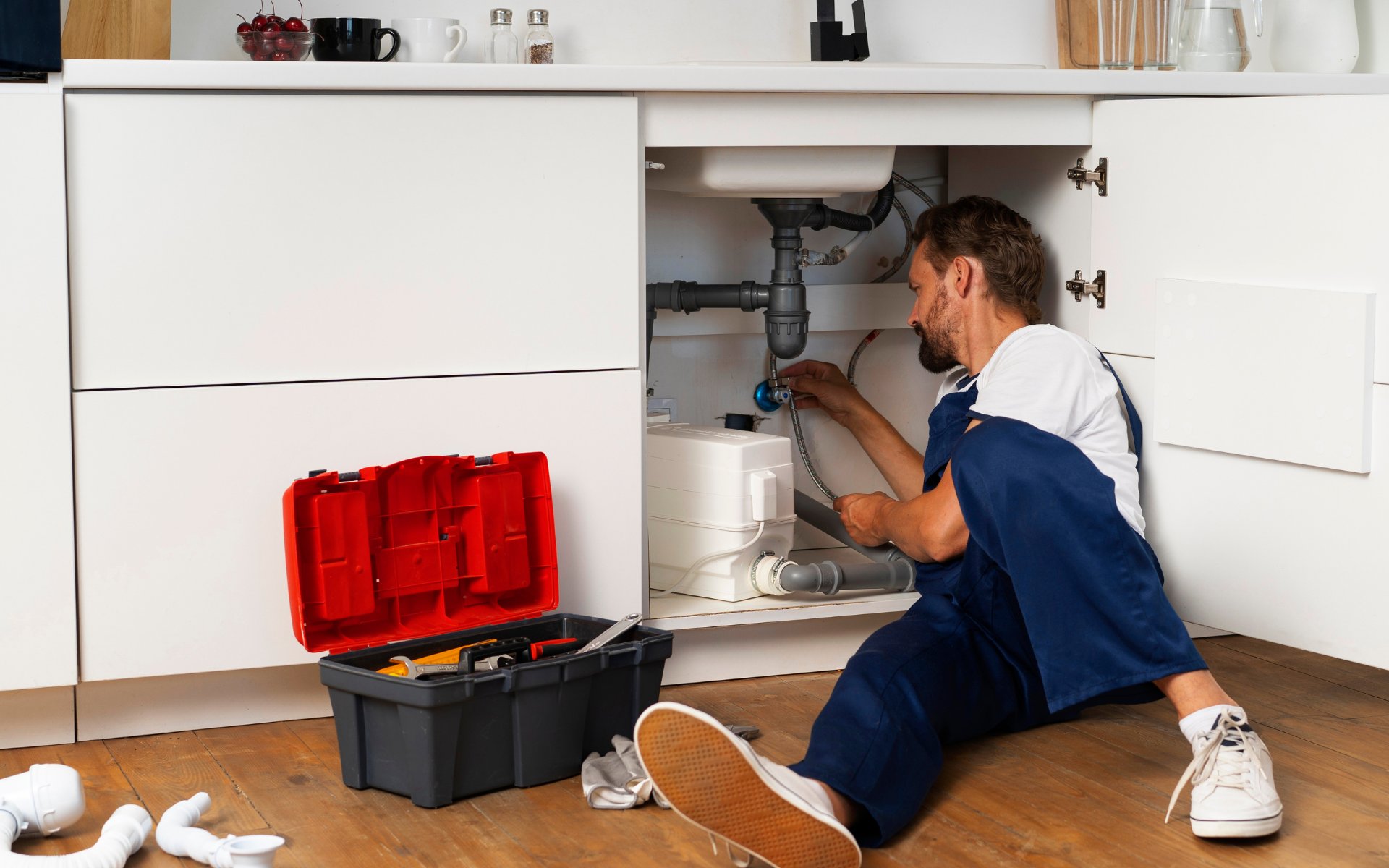
Major systems are important in any home, but they can become even more significant in a multi-unit property.
A problem with one system may affect multiple units and multiple households.
During your evaluation, pay close attention to:
- 🏠 Roof condition
- ⚡ Electrical systems
- 🚰 Plumbing
- 🔥 Boilers and furnaces
- 🚿 Hot-water systems
- 🧱 Foundation
- 🪟 Windows
- 🏡 Exterior condition
- 🌧️ Drainage
- 🪜 Porches, stairs, and railings
Albany has many older properties with plenty of character and history. At the same time, older buildings may have systems that were updated at different points over the years.
The goal isn't to automatically avoid an older property.
It's to understand what has already been improved, what is in good condition, and what may eventually need attention.
🚗 Review Parking and Access
Parking can be easy to overlook when you're focused on the financial side of a multi-unit purchase.
But it can be an important practical consideration.
Ask:
- How many off-street parking spaces are available?
- Is there a shared driveway?
- Is parking assigned?
- Will occupants primarily rely on street parking?
- Is there adequate access to each unit?
Then look beyond the parking.
Are the entrances separate? Are common areas easy to maintain? Is there shared basement or storage space? How easy will it be to manage those areas?
These details can affect the day-to-day ownership experience as well as the property's overall appeal to potential tenants.
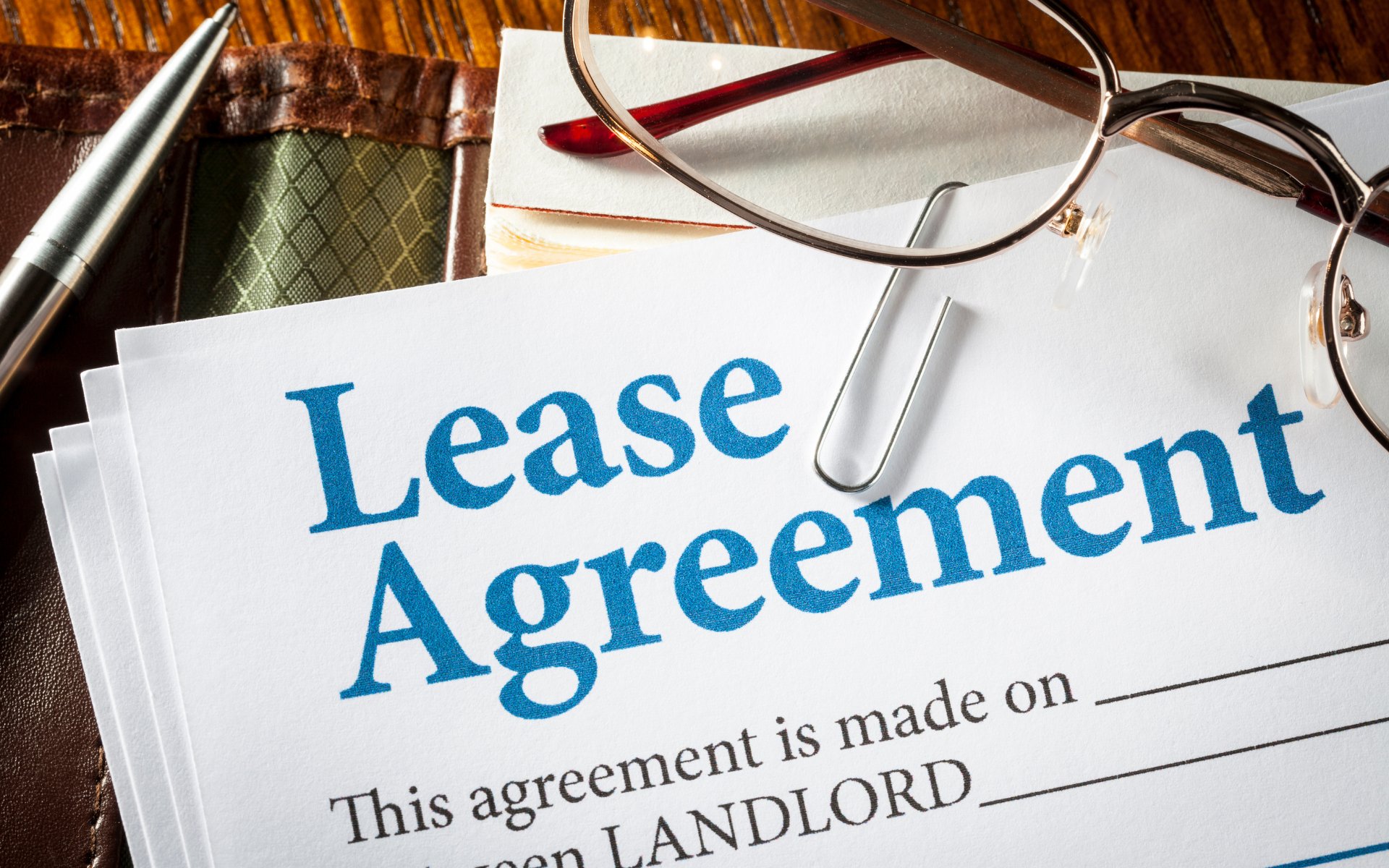
📄 Understand the Existing Leases
If the property is occupied, the existing leases are an important part of the transaction.
Buyers should understand things such as:
- Current monthly rent
- Lease expiration dates
- Security deposits
- Tenant responsibilities
- Owner responsibilities
- Included utilities
- Any additional agreements
Don't assume that buying the property automatically means every rental arrangement can immediately be changed.
Existing leases and applicable laws may affect what happens after the sale.
This is an area where reviewing the documentation carefully — and getting appropriate legal guidance when necessary — can help prevent surprises.
🏛️ Know the Local Requirements
Owning a multi-unit property can come with responsibilities that are different from those associated with a typical owner-occupied home.
Depending on the property, there may be requirements involving registrations, inspections, permits, safety standards, rental rules, or other local regulations.
Before purchasing, buyers should determine which requirements apply to the specific property and whether the property is currently meeting them.
Don't rely on assumptions.
A property can look great during a showing and still have administrative or compliance issues that need to be addressed.
🏡 Owner-Occupied and Investment Properties Are Different
Your plans for the property should influence how you evaluate it.
A buyer planning to live in one unit may focus more heavily on the condition and layout of their own living space, privacy, parking, outdoor space, and overall day-to-day experience.
An investor may place more emphasis on rental income, operating expenses, vacancy, maintenance, and long-term financial performance.
Neither approach is automatically better.
The important thing is to understand what you are trying to accomplish with the property before you start comparing numbers.
🧮 Do the Numbers Still Work After Realistic Expenses?
This is where everything comes together.
The goal is to evaluate the property using realistic numbers — not best-case scenarios.
Don't assume every unit will always be occupied.
Don't automatically assume rents will increase.
Don't overlook maintenance because the property looks good today.
And don't forget about taxes, insurance, utilities, repairs, vacancies, and future improvements.
The more realistic your numbers are, the better your understanding of the property's potential will be.
If the property still makes sense after accounting for reasonable expenses and potential surprises, you're looking at the opportunity from a much stronger position.
💵 The Best Multi-Unit Purchase Isn't Always the Cheapest One
A lower-priced property may require significant repairs, generate less rental income, or come with higher operating costs.
A more expensive property may have better-maintained systems, stronger existing rents, better parking, or fewer immediate repair needs.
That's why purchase price alone doesn't tell you whether a multi-unit home is a good opportunity.
The better questions are:
What am I getting for the money?
What will this property realistically cost to operate?
And does it fit my long-term goals?
Those questions can lead to a much better comparison between properties than simply looking at the asking price.
🤝 Look at the Whole Property, Not Just the Listing Price
Buying a multi-unit home is about more than purchasing a building.
You're potentially taking on rental responsibilities, operating expenses, maintenance decisions, tenant relationships, and long-term ownership considerations.
That doesn't mean a multi-unit property isn't a great opportunity.
It simply means you want to understand what you're actually buying.
If you're considering a multi-unit property in Albany, Team Taylor at KW Platform can help you look beyond the asking price and evaluate the property from a practical real estate perspective.
🏘️ Know the Numbers. Understand the Property. Make an Informed Decision.
The right multi-unit property isn't necessarily the one with the lowest price or the highest projected rent.
It's the one whose income, expenses, condition, location, and ownership responsibilities make sense for your particular goals.
If you're thinking about buying a multi-unit property in Albany or elsewhere in the Capital Region, Team Taylor at KW Platform is here to help you ask the right questions and take a closer look at the complete picture before moving forward.
Relationships First. Results Always.
📱 Stay Connected
Whether you're thinking about buying, selling, or simply staying informed about the Capital Region real estate market, Team Taylor is here to help every step of the way.
🏡 Visit Our Website: https://robsoldmyhouse.com
📺 YouTube: @teamtayloratkellerwilliams5814
📘 Facebook: Robert L. Taylor Realtor
📸 Instagram: @robsoldmyhouse
💬 Have questions about buying or selling a home? Reach out anytime—we're always happy to help!