Thinking about updating your classic Latham ranch and wondering what will actually move the needle when you sell? You’re not alone. Owners across the Town of Colonie area are balancing budget, time, and buyer expectations while trying to keep the home’s charm intact. In this guide, you’ll learn the updates that resonate with local buyers, smart material choices, realistic budgets and timelines, plus permitting and appraisal basics for Latham. Let’s dive in.
What Latham buyers want
Buyers in suburban upstate New York want modern function without losing character. They look for open sightlines, a practical kitchen, a usable primary suite, and laundry on the main level. You can often meet those goals with selective reconfiguration rather than a full gut.
Kitchens and primary suites sit at the top of the priority list. Modest to midrange updates in these rooms tend to influence multiple-offer activity more than high-end, overbuilt remodels. Your goal is to align the home with neighborhood expectations while preserving mid-century details that make the house feel special.
Floor plan updates that work
Open kitchen and sightlines
- Remove or reduce non-loadbearing walls between the kitchen and living or dining areas to create an open, social center.
- Add a right-sized island or peninsula that maintains clear walk paths and adds seating and storage.
- Verify whether any wall is loadbearing before removal. If structural support is required, plan for beams or posts, plus permits and inspections.
Primary suite conversion
- Combine two smaller bedrooms to create a primary suite if bedroom count remains competitive for the neighborhood.
- Add an en suite full bath and a walk-in or well-organized closet by reconfiguring adjacent space.
- If a small addition is needed, evaluate foundation and roof tie-ins carefully. Add square footage only when it fits local comparables.
Main-level laundry and mudroom
- Relocate laundry to the main level or create a combined laundry and mudroom near the garage or rear entry.
- In a cold climate, this adds daily convenience and helps keep the rest of the home clean.
Bathroom improvements
- If the home has only one full bath, consider adding another or enlarging the main bath to include a double vanity and a larger shower.
Flexible space and storage
- Add built-ins, rework closets, or carve out a small office nook to enhance utility without heavy structure.
Improve circulation
- Simplify traffic flow and remove dead ends. Most ranch footprints adapt well to modest tweaks that protect the benefits of single-level living.
Finishes that feel current
Kitchen selections
- Cabinets: Choose midrange new cabinets, either painted shaker or flat slab for a clean look that suits mid-century lines.
- Countertops: Quartz offers durability and low maintenance. Butcher block adds warmth in select areas.
- Backsplash: Keep it simple with subway tile or a subtle geometric pattern in neutral tones.
- Appliances: Opt for modern, energy-efficient stainless units. At minimum, replace tired, visibly outdated pieces.
- Flooring: Use engineered hardwood or quality LVP to flow into living spaces. Tile can still work in wet zones.
Bathrooms and ensuites
- Fixtures: Midrange fixtures in matte black, brushed nickel, or satin brass work well with today’s palettes.
- Showers: Install a walk-in shower or updated tub-shower with tile or large-format panels. A curbless look can feel elevated where practical.
- Vanities: Floating or freestanding midrange vanities with quartz or cultured stone tops add an updated feel.
General finishes
- Flooring: Engineered hardwood or LVP in main areas. Either refinish existing hardwood or use neutral carpet in bedrooms.
- Paint: Choose a neutral light palette to maximize perceived space and brightness.
- Lighting: Layered lighting is key. Use recessed cans in the kitchen and upgraded overhead fixtures in main living areas with efficient LEDs.
- Doors and trim: Refresh with paint where possible to transform rooms without a full replacement.
Systems and energy upgrades
- Heating and cooling: Many Latham homes have older furnaces or boilers. Replacing high-age systems or adding an air-source heat pump appeals to buyers focused on operating costs. Confirm local incentives and contractor expertise.
- Insulation and windows: Air seal and add attic insulation. Replace drafty or severely inefficient windows selectively to address comfort and buyer concerns.
- Electrical: Update service and panels if outdated. Ensure modern kitchen circuits and consider capacity for EV charging where applicable.
- Plumbing: Replace old galvanized piping where present and confirm that fixtures and venting meet current standards.
Exterior and curb appeal
- Roofing: If shingles show age or wear, replacement is highly visible and often flagged in inspections.
- Siding and trim: Repair and repaint where feasible. Weigh the cost of fiber-cement or vinyl replacement against repainting.
- Entry and landscaping: A new or freshly painted front door, updated porch lighting, clean walkways, and modest plantings lift first impressions.
- Garage function: Organized storage and a tidy entry or mudroom connection appeal to suburban buyers.
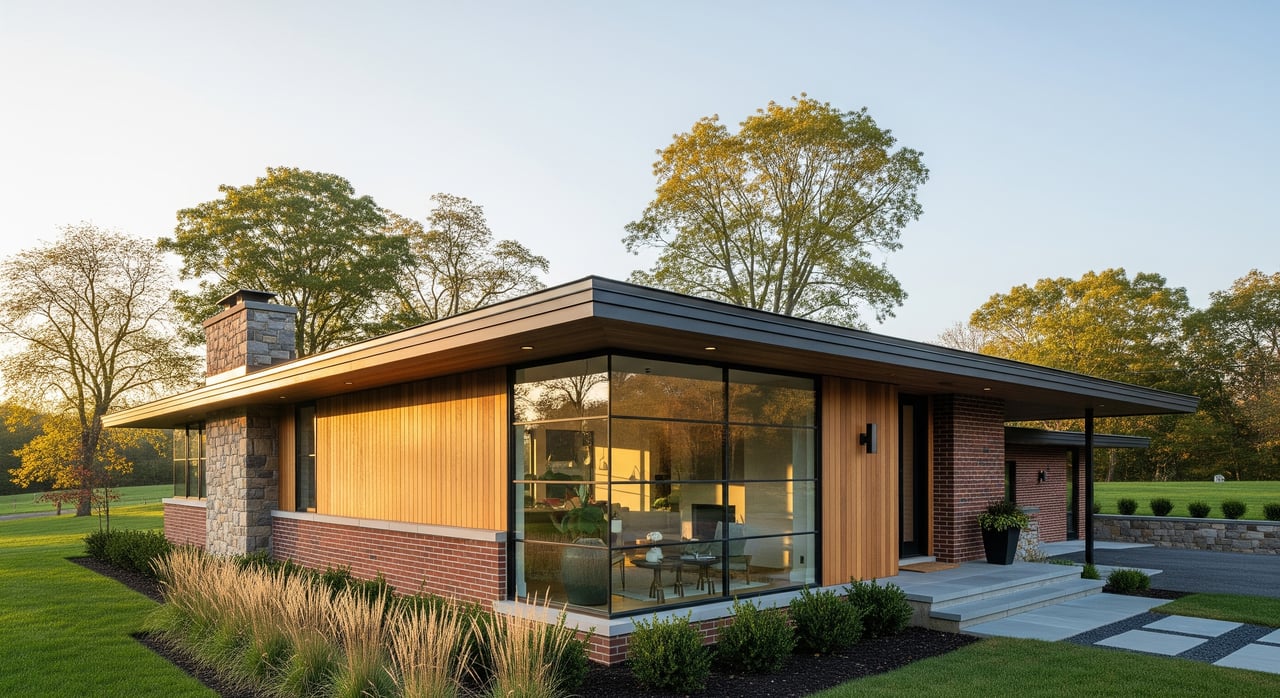
Preserve the mid-century soul
- Keep original hardwoods, stone hearths, picture windows, and built-ins if they are in good condition.
- Choose new materials and colors that complement the home’s scale and era rather than competing with it.
Budgets and timelines in Latham
Every home and scope is different, but these planning ranges can help you prioritize. Always obtain local quotes.
- Cosmetic refresh: Paint, flooring in key rooms, lighting, and basic fixtures. Typical range about 5,000 to 25,000.
- Kitchen refresh: Refacing or refinishing cabinets, new counters and backsplash, appliances, and lighting. Typical range about 10,000 to 35,000.
- Midrange kitchen remodel: New cabinets and appliances, layout improvements, partial wall removal, and updated lighting and plumbing. Typical range about 30,000 to 80,000.
- Full kitchen gut: Structural changes, beams, high-end cabinetry and appliances, extensive trades. Typical range 80,000 and up.
- Bathroom remodel: Cosmetic updates about 5,000 to 15,000. Full remodels about 15,000 to 40,000.
- Primary suite conversion: Combine rooms, add an en suite, rework closets. Typical range about 20,000 to 80,000 depending on plumbing proximity and whether you add space.
- Additions: New foundation, framing, roofing, and utility tie-ins. Substantial additions often 100,000 and up.
- Systems: Roof replacement about 6,000 to 15,000. HVAC or boiler replacement about 5,000 to 20,000. Windows often 300 to 1,000 or more per window.
Typical timelines:
- Cosmetic refresh: 2 to 6 weeks.
- Midrange kitchen: 6 to 12 weeks.
- Full kitchen gut or primary suite with addition: 3 to 6 months or longer.
- Additions: 4 to 8 months based on permits and site conditions.
- Systems replacements: 1 to 3 weeks for standard installs. Heat pumps may take longer if electrical upgrades are needed.
Appraisal and resale basics
Appraisers look at recent comparable sales, functional utility, and finish quality relative to neighborhood comps. Updated kitchens and baths, adequate bedroom and full bath counts, and major systems in good working order increase marketability. Added conditioned square footage can contribute to value if it aligns with neighborhood norms.
Documented permits and code compliance matter. Unpermitted work can slow or derail closings and reduce appraised value. Focus on improvements that align with the upper end of nearby comparable properties and avoid over-improving beyond the neighborhood standard.
Cosmetic updates often deliver strong impact for a lower investment. When paired with competitive pricing and good presentation, they can help attract more showings and stronger offers.
Remodel or sell as-is
If your home lags local norms, targeted updates can widen your buyer pool. For example, a second full bath or a refreshed kitchen can bring your property closer to what shoppers expect in the area.
If most nearby ranches have been updated, leaving your home far behind can limit showings and offers. On the other hand, if comps show mixed conditions, a focused refresh might be all you need to compete.
Ask a local agent to review recent comparable sales and share buyer feedback. This helps you decide whether a kitchen refresh and cosmetics will do the job or if a bigger investment, like adding an en suite, makes sense.
Local permits and timing
Latham is largely within the Town of Colonie, so permits and inspections for structural work, additions, electrical, plumbing, HVAC, and kitchen or bath reconfigurations typically go through the Town of Colonie Building and Development office or code enforcement. Always confirm exact jurisdiction for your address.
- Permit triggers: Structural changes, moving plumbing or gas lines, electrical panel upgrades, new bathrooms, additions, and bump-outs usually require permits and inspections.
- Unpermitted work: Discovery during a sale can cause delays, require retroactive permits, and increase costs.
- Contractor selection: Hire licensed, insured contractors who know local codes and typical Latham construction such as masonry foundations and boiler systems. Get at least three itemized bids, verify references, and use written change orders with milestone-based payments.
- Seasonal timing: Plan exterior work in spring through early fall. Interior projects can run year-round but account for ventilation, finish curing, and temporary heat in winter.
- Incentives and disclosures: New York State and federal programs may offer rebates or credits for insulation, heat pumps, and efficient windows in certain years. Keep records of improvements, permits, warranties, and any incentives. Disclose material defects and known improvements per New York requirements.
- Financing notes: Sellers often use cash or a HELOC for updates. Buyers may use renovation loans like FHA 203(k) or Fannie Mae HomeStyle. Clearly document any seller-paid improvements or concessions.
Pre-list checklist
- Safety and systems: Address roof issues, leaks, electrical hazards, and heating concerns first.
- Curb appeal: Refresh the front door, lighting, landscaping, and clean or paint exterior as needed. Repair driveways where practical.
- Kitchen: Complete at least a refresh. Layout improvements are a plus when feasible.
- Bathrooms: Update the main bath and any en suite areas to meet expectations.
- Flooring and paint: Choose neutral paint and repair or replace flooring in high-traffic areas.
- Laundry and storage: Add a main-level laundry or mudroom function if possible.
- Final touches: Update lighting, hardware, window treatments, and closets for easy staging.
How Team Taylor helps
You want to invest just enough to maximize your price and minimize time on market. Team Taylor brings deep local insight across Latham and the broader Capital Region, plus a media-first marketing strategy that gives your updated ranch standout visibility. The team’s structured roles mean you get clear communication and dependable support from consult to close.
Here is how we approach it:
- Pricing and comps: We review recent comparable sales and buyer feedback to right-size your plan and avoid over-improving.
- Strategy and scope: We help you prioritize the projects that align with local expectations, especially in kitchens, baths, and main-level functionality.
- Presentation and reach: Professional photography, video, and broadcast-quality marketing elevate your listing so buyers can see the value of your updates.
Ready to chart the best path for your Latham ranch? Request a Free Home Valuation with Team Taylor and get a plan tailored to your goals.
FAQs
What updates matter most for a Latham ranch?
- Focus on the kitchen, a functional primary suite, main-level laundry, and a second full bath if you only have one.
How much should I budget for a midrange kitchen?
- Plan roughly 30,000 to 80,000 for a midrange remodel that may include layout improvements and partial wall removal.
Do I need a permit to remove a wall in Colonie?
- Yes if the wall is structural or if work includes electrical, plumbing, or gas changes. Confirm with the Town of Colonie Building and Development office.
Will converting two bedrooms into one hurt resale?
- It depends on neighborhood norms. If you retain a competitive bedroom count and gain an en suite, it can improve appeal.
Are energy upgrades worth it for resale?
- Buyers respond to newer HVAC, added insulation, and reduced drafts. Document improvements and any incentives for added confidence.
How long do typical updates take before listing?
- Cosmetic refreshes often take 2 to 6 weeks. Midrange kitchens run 6 to 12 weeks, and larger projects can extend 3 to 6 months or more.